PRP for Hair Loss in Women: Does It Really Work?
· Edited by Shahid Hussain
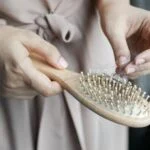
You notice it under the bathroom light. Your parting looks a little wider than it did, your choti feels thinner in your hand, and there’s more hair in the comb than there used to be. You’ve heard about PRP, and you want to know one thing: will it work for you?
Here’s the short answer. PRP for hair loss in women can slow shedding and thicken thinning hair, as long as the roots are still alive. In a 2024 review of 21 trials with 628 women, PRP improved hair density and thickness and reduced the number of hairs that came out in a pull test, with only mild, short-lived side effects.1 It works best when the cause is checked first, and we explain how on our PRP hair treatment in Pakistan page.
Does PRP really work for female hair loss?
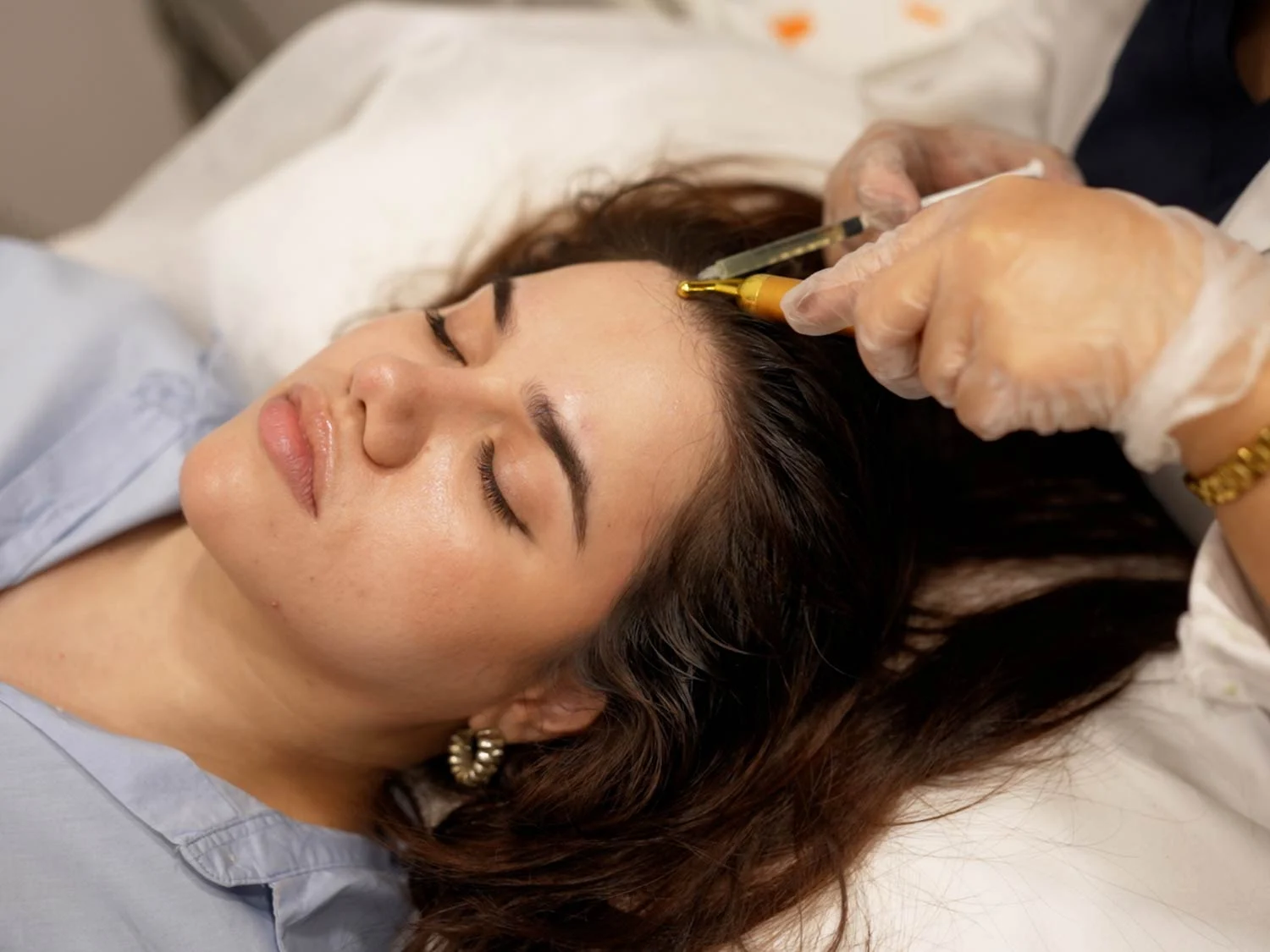
For the right kind of thinning, yes. PRP stands for platelet-rich plasma. A small blood sample is spun in a machine to separate the plasma, which is rich in growth factors, and this is placed in the thinning areas of your scalp. The growth factors support roots that have weakened but not stopped.1
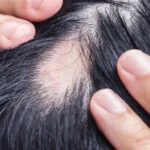
The honest limit: it can’t wake up a root that has gone completely, so a smooth, shiny patch won’t grow back. Dermatologists also still call PRP a treatment under study, and minoxidil lotion remains the most recommended treatment for female pattern hair loss.2 Many women do best with both.
PRP for hair loss in women: who is it best for?
PRP suits early to moderate thinning, while there’s still hair to thicken. That usually means:
- Female pattern hair loss: a widening parting or thinning on top. It’s the most common cause of hair loss in women, and it runs in families.2
- Shedding that goes on for months after the cause has been found and treated.
- Women who want to add to minoxidil, or who can’t use it every day.
Why your doctor checks the cause first
Hair fall in women often has a cause that treatment alone won’t fix. Low iron, thyroid problems and a hormone imbalance such as PCOS can all thin the hair, and treating the cause often helps it recover.3 That’s why a doctor asks about your periods, your diet and any recent illness, and may suggest simple blood tests.4
Hair fall after delivery is different. Many new mothers shed heavily a few months after the birth, with a peak at about four months. It’s normal shedding, not true hair loss, and most women have their usual hair back by their baby’s first birthday.5 Often no treatment is needed at all.
What happens in a PRP session?
It takes about 45 to 60 minutes, and most women go straight back to their day.
- A small blood sample, like a routine blood test.
- The plasma is prepared in a centrifuge while you wait.
- Numbing on the areas to be treated.
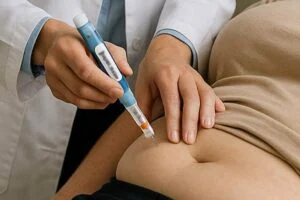
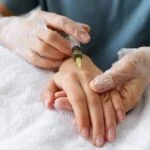
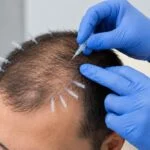
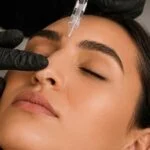
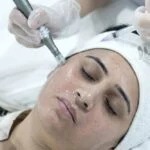
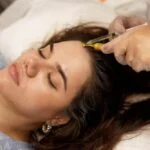
- The treatment: the plasma goes into the thinning areas through tiny injections or microneedling. You feel pressure and quick pricks.
At Cutera, hair treatment with your own plasma is done as PRGF hair treatment, our form of it, with scalp microneedling as part of every session. You can ask for a female doctor at any of our clinics.
PRP hair treatment results: when will you see a difference?
Slowly, so give it time. Shedding usually eases first. Fuller, thicker hair shows over three to six months, as new growth comes through. Most plans start with three or four sessions, about a month apart, then a top-up every three to six months to keep the gains.
Results vary from woman to woman. In the 2024 review, the benefit depended on the dose, how long the course lasted and even the women’s ethnic background.1 Your doctor takes photos at the start, so you can compare honestly rather than guess in the mirror.
PRP side effects in women: what’s normal?
Most women notice only mild things that settle within a day or two:1,6
- Scalp tenderness where the plasma went in.
- A small bruise that fades in a few days.
- A mild headache on the day.
Because the plasma comes from your own blood, an allergic reaction is very unlikely. PRP isn’t suitable during pregnancy, with a bleeding or platelet disorder, on blood thinners, during cancer treatment or with a scalp infection. Your doctor checks all of this at the consultation.
Questions people ask
How much does PRP hair treatment cost in Pakistan?
At our clinics, Rs 11,995 a session, or Rs 25,190 for a course of three, about Rs 8,400 a session. The price is the same at all 12 branches, and the consultation is free.
Can PRP stop hair fall after delivery?
Shedding after the birth usually stops by itself within months.5 If it hasn’t settled by your baby’s first birthday, or your hair stays thin, see a doctor to check iron and thyroid before any treatment.
Is PRP better than minoxidil for women?
They work differently, so it isn’t either-or. Minoxidil is a daily lotion with the strongest evidence; PRP is a few clinic sessions using your own growth factors.1,2 Many plans use both. Minoxidil isn’t used during pregnancy or breastfeeding.2
Can I have PRP while breastfeeding?
Ask your doctor first. Many women wait, because hair after delivery often recovers on its own, and some treatments used alongside PRP aren’t advised while breastfeeding.
Is PRP permanent for hair?
No. It strengthens the roots you have, but the cause of pattern thinning carries on, so top-up sessions keep the result.
See a doctor first
Consultations for PRP are free at all 12 of our clinics, with female doctors at every branch. A doctor looks at your scalp, asks about your health and tells you honestly whether PRP will help, or whether something else should come first. For every option, see our hair fall treatment page. You can book PRP hair treatment in Lahore or at any of our clinics, or message us on WhatsApp and we reply.
Medically reviewed by Dr Sadaf Saleem, Dermatologist, FCPS (Dermatology), PM&DC 62494-P; Dr Junaid Rabbani, Dermatologist, PM&DC 44510-S; and Dr Shegref Mushtaq, Dermatologist, FCPS (Dermatology), PM&DC 19827-N
- Yuan J, He Y, Wan H, Gao Y. Effectiveness of platelet-rich plasma in treating female hair loss: a systematic review and meta-analysis of randomized controlled trials. Skin Res Technol, 2024; 30(8): e70004.
- American Academy of Dermatology. Female pattern hair loss: who gets it and how to treat it.
- American Academy of Dermatology. Do you have hair loss or hair shedding? 18 causes.
- DermNet. Female pattern hair loss.
- American Academy of Dermatology. Hair loss in new moms.
- Zhou Y, et al. Platelet-rich plasma in female androgenic alopecia: a comprehensive systematic review and meta-analysis. Front Pharmacol, 2021.
Treatments in this article
Sessions, downtime and results for each, on its own page.

Related articles


Ready when you are
Book your free consultation
A doctor checks your skin, hair or body first. No obligation.











 Meet our 48 doctors
We usually reply within 15 minutes.