Clifton / DHA
Closest to you4.8(1,033)
3rd Floor, 4C, Khayaban-e-Tanzeem, Tauheed Commercial Area, DHA Phase-5
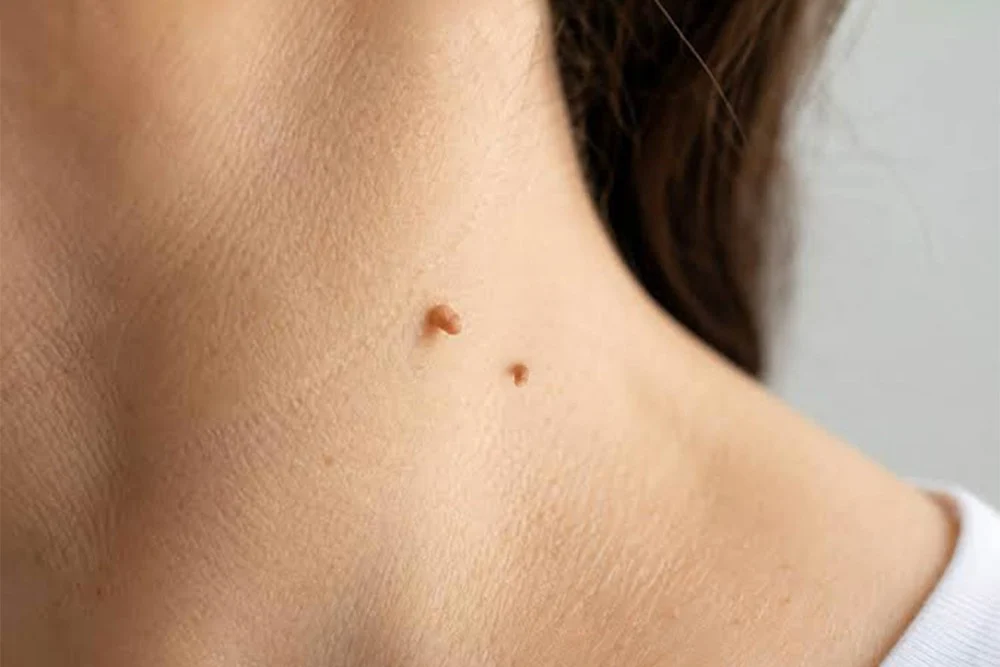
Do you have small, soft growths on your neck, underarms or eyelids that catch on clothes, chains or your razor? Skin tag removal is a quick, doctor-led procedure: your doctor checks each growth, then removes it in minutes with a fine-tipped cautery pen or by freezing, usually in a single visit. It takes 15–30 minutes, with only a small scab afterwards, and your consultation is free.
Best for harmless skin tags on the neck, armpits, eyelids and body folds.
| Skin tags on the neck | Smooth skin where chains, collars and dupattas no longer catch. |
|---|---|
| Tags in the armpits | No more catching on straps, or soreness every time you shave. |
| Eyelid skin tags | Careful removal close to the eye, with the eye always protected. |
| Tags in body folds | Comfortable skin in folds where clothes and skin rub together. |
| Irritated or bleeding tags | A doctor’s check first, then neat removal with very little bleeding. |
| Several small tags | Many tags removed in the same short visit, with little downtime. |
Skin tags (acrochordons) are soft, harmless growths of normal skin that usually form where skin rubs against skin or clothing, such as the neck, armpits, eyelids and body folds. They are more common with diabetes, extra weight, pregnancy and a family history. Your doctor first checks that each growth really is a tag, not a wart or a mole, then removes it with a fine-tipped cautery pen, which seals the skin with a tiny burst of heat, or by freezing (cryotherapy), which makes the tag drop off within days.
The neck and armpits are the most common places for tags, because collars, chains, straps and shaving rub them all day, and they are also among the quickest to remove. Armpit tags are best removed before they get caught or sore, and you can shave again once the spot has healed. Eyelid tags are removed with extra care, using fine instruments, with the eye always protected.
Before, the tag hangs from the skin or catches on clothes; straight after cautery, it is gone, leaving a small pink spot. Over the next one to three weeks a tiny scab forms and falls off, and the skin underneath looks smooth, sometimes with a faint pink or darker mark that fades with time. Frozen tags darken and drop off within a couple of weeks.
Skin tag removal is priced at your free consultation, once your doctor has seen how many tags you have, their size and where they are, so you know the full price before anything is done. Several tags are usually removed in the same visit, and any current offer is explained at the clinic.
A growth that is changing, bleeding, painful or dark needs a proper medical check first, and may need testing. Tell your doctor if you are pregnant, have diabetes or a bleeding problem, or have a pacemaker, as the method may change.
Most tags are gone by the end of the visit, and mild soreness settles within a day or two. The small scab heals in one to three weeks, and a removed tag rarely comes back, leaving smooth skin that no longer catches. New tags can still form elsewhere, especially where skin rubs, and a small mark or patch of darker skin, more common on brown skin, usually fades with time.
Treatments often combined with Skin Tag Removal.
Skin tag removal is priced at your free consultation, because the cost depends on how many tags you have, their size and where they are. Your doctor examines them first and tells you the full price before anything is done. Several tags can usually be removed in the same visit, and any current offer is explained at the clinic.
Skin tag removal is available at all 12 Cutera Aesthetics clinics in Karachi, Lahore, Islamabad, Rawalpindi, Faisalabad, Hyderabad and Sialkot, with female doctors at every clinic. Find your nearest clinic, or send us a clear photo of the tag on WhatsApp and we’ll reply with what to expect and book you in.
Yes, when a doctor does it with clean, sterile methods. Small tags may need only numbing cream; larger ones get a tiny numbing injection, so you feel a brief pinch, warmth or cold. Expect mild soreness, redness and a small scab. A scar or darker mark can occur, more often on brown skin, and usually fades.
Most are one of three kinds: tiny bumps of a millimetre or two, small soft tags on a thin stalk, and larger hanging tags that can reach a few centimetres. They often come in clusters on the neck, armpits or body folds. All kinds are removed in a similar way, and your doctor checks any growth that looks different.
Yes. Neck and armpit tags are among the most common and the quickest to remove, usually with the cautery pen in a few minutes; avoid shaving over the spot until it has healed. Eyelid tags are removed with extra care to protect the eye, and a tag that affects your vision is worth removing.
It isn’t advised. Patches, creams and powders sold online are not proven, and the US FDA has not approved any home skin tag removers. The NHS and dermatologists warn that cutting or tying tags at home risks infection, bleeding and scarring, and a doctor should check the growth first.
Both work well, and your doctor chooses by the tag’s size and place. The cautery pen removes a tag on the spot and seals the skin, so there is little bleeding, which suits most tags. Freezing suits some small tags: the tag darkens and drops off within a couple of weeks. Tags near the eye always get extra care.
A removed skin tag does not usually grow back. New tags can form in other places, especially where skin rubs or with weight gain, diabetes or pregnancy, and these can be removed the same way in a short visit. Your doctor checks any new growth at the same time.
Skin tags are soft, skin-coloured and hang from the skin. Warts are firmer with a rough surface, often on the hands and feet, and moles are flat or raised spots of pigment, usually brown. Your doctor tells them apart before removing anything; see wart removal and mole removal.
They form where skin rubs against skin or clothing, and are more common with diabetes, extra weight, pregnancy and a family history. See a doctor if a growth gets bigger, changes colour, bleeds or hurts, or if many appear suddenly: a skin cancer can look like a new growth, so anything unusual is checked properly first.
Ready when you are
A doctor checks your skin and goals first. No obligation.











 Meet our 48 doctors
We usually reply within 15 minutes.
Open Mon–Sat, 11:30 AM – 9 PM
from 8,928 Google reviews
12 clinics in 7 cities
4.8(1,033)
3rd Floor, 4C, Khayaban-e-Tanzeem, Tauheed Commercial Area, DHA Phase-5
4.9(1,115)
Suite 503, 5th Floor, Al-Khaleej Tower, Shaheed-e-Millat Rd, Bahadurabad
4.8(629)
Office No. 2, Mezzanine Floor, Farhan Tower, Block 20, Gulistan-e-Johar, Rashid Minhas Road
4.6(1,243)
10G, Finance & Trade Centre, Ayub Chowk, Johar Town
4.9(695)
Ground Floor, Al-Hafeez Heights, Block D1, Gulberg III
4.9(555)
140 CCA, Phase 5, Commercial DHA
4.9(867)
Union Gold Mall, Jinnah Super Market, Markaz, F-7
4.9(626)
Office No.1, 3rd Floor, The Arc, I-8 Markaz
4.9(720)
2nd Floor, Avalon Plaza, Mall Road, Saddar
4.9(876)
Jaranwala Road, Kohinoor City
4.9(342)
Auto Bahn Road
4.9(227)
Aziz Bhati Shaheed Road, Sialkot Cantt
What concerns you?
Browse treatments
Lift, define and refresh, without surgery.
 Botox for jaw slimmingSlimmer jaw in 2–3 months
 Lip fillersStraight away, settled at 2 weeks
 Russian lipsAt once; settled by 2 weeks
 Under-eye fillersStraight away, settled at 2 weeks
 Jawline contouringFiller at once; rest in 2–3 months
 HIFU for double chin & jawlineBuilds over 2–3 months
 Cheek & chin fillersAt once; settled in 1–2 weeks
 Nose fillersStraight away
 Double chin reductionGradually, full at 2–3 months
 Thread liftVisible lift straight away
Smoother, firmer skin that still looks like you.
 Botox for wrinklesIn 3–5 days, full at 2 weeks
 ProfhiloGlow in days, full at 8–12 weeks
 Ultraformer HIFU faceliftGradually over 2–3 months
 Fillers for lost volumeStraight away, settled at 2 weeks
 Radiofrequency skin tighteningBuilds over 2–6 months
 SculptraBuilds over 2–3 months
 Salmon DNA (PDRN)Fresher skin in 1–2 weeks
 Microneedling RFBuilds over 3–6 months
 PRP for faceFresher skin within weeks
 Dark circles treatmentHollows at once; tone over weeksThread liftVisible lift straight away
 Jalupro skin boosterHydration after the first session
 Exosomes for skinGlow in days; firmer by 6 weeks
 Fractional radiofrequencyFull 3 months after the course
 MicroneedlingBuilds over a few months
 TCA peelOnce healed, in 1–2 weeks
 Glycolic acid peelBrighter skin after the 1st peel
 Ageing handsFillers straight away
Even out dark patches and bring back glow.
 Pico laserSpots fade over 2–4 weeksMicroneedling RFBuilds over 3–6 months
 Glutathione peelFresher skin within days
 Glutathione injectionBrighter after a few sessions
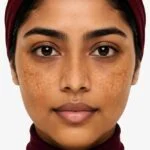 Freckles & dark spotsSpots lighten after 1–2 sessions
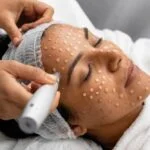 BB Glow facialGlow straight after session 1
 Birthmark removalLighter over weeks, per sessionChemical peelBrighter skin within daysMicroneedlingBuilds over a few monthsPRP for faceFresher skin within weeks
 Carbon laser peelBrighter skin straight away
 Hands & feet rejuvenationAfter 2–3 sessions
 Underarm whiteningLighter by the 2nd or 3rd session
 Lip pigmentationLighter over the course
Calm breakouts and soften old scars.
MicroneedlingBuilds over a few monthsMicroneedling RFBuilds over 3–6 months Pico laser for acne scarsKeeps improving to 3–6 monthsTCA peelOnce healed, in 1–2 weeks
 Salicylic acid peelSmoother skin in about a weekCarbon laser peel for poresBrighter skin straight awayFractional radiofrequencyFull 3 months after the course
 Mesotherapy for FaceGradually over the coursePRP for faceFresher skin within weeks
 Keloid scar treatmentSofter after the first injections
Deep-cleansing facials for an instant glow.
 HydraFacialGlow straight after one session
 Diamond Glow facialSmoother skin straight away
 Deep collagen facialBuilds over the course
 PRGF facialGlow after the first sessionCarbon laser peelBrighter skin straight away
 Pumpkin and papaya peelBrighter skin the same dayBB Glow facialGlow straight after session 1
 Red Carpet bridal facialGlowing skin straight away
 HD Glow FacialA fresh glow after the first visit
Smooth skin with our CoolGlide laser.
 Full body laser hair removal10–25% less hair after session 1
 Face laser hair removalThinner hair after 2–3 sessions
 Underarm laser hair removalLess hair after 2–3 sessions
 Bikini laser hair removalSlower regrowth within weeks
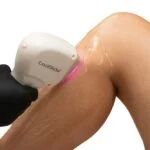 Leg laser hair removal10–25% less hair after visit 1
 CoolGlide LaserHair sheds in 2–3 weeks
 Arm laser hair removalShedding within 2–3 weeks
 Back laser hair removalLighter back by session 3
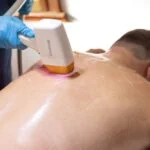 Laser hair removal for menClear drop after 2–3 sessions
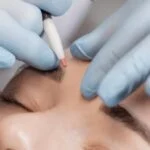 ElectrolysisFewer hairs with each visit
Treatments for hair fall, thinning and an itchy, flaky scalp.
 PRGF hair treatmentThicker hair from about 3 months
 PRP hair treatmentLess shedding in 2–3 months
 Exosomes for hairFuller look over about 3 months
 Microneedling for hairFrom about 3 months
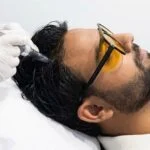 Mesotherapy for hairAfter 3–4 sessions
 Dandruff treatmentFresher scalp from the first visit
 Scalp threadsGradual, over 3–6 months
 Keravive scalp HydraFacialCleaner scalp after one session
Shape and tighten, without surgery.
 CoolSculptingFrom 1–3 months, full at about 3
 EMSculptClearest 2–3 months after
 Fat dissolving injectionsClearest 2 months after course
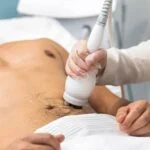 UltraShapeBuilds over about 10 weeks
 Cellulite treatmentBuilds through the course
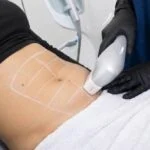 Ultraformer body HIFUBuilds over 2–3 months
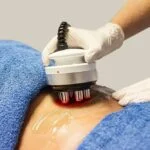 Body skin tighteningBuilds through the course
 Stretch marks treatmentBuilds; full about 3 months on
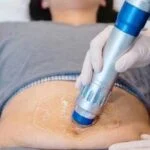 Shock wave therapyFrom about 2 weeks into course
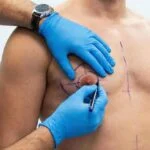 Gynecomastia (man boobs)From 3 weeks; main at 2 months
Doctor-led weight-loss programmes.
 Ozempic & WegovySlowly, across several months
 MounjaroGradually, over monthsSemaglutide injectionSlowly, across several monthsTirzepatide injectionGradually, over months
 Slimming dripsAny lift within a day or so
 Lifestyle coachingAround 0.5–1 kg a week
Mole, wart, skin tag and tattoo removal, IV drips and treatments for men.
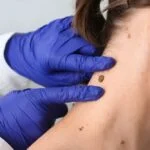 Mole removalGone on the day
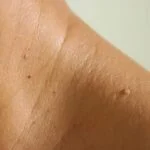 Wart removalFalls off within 1–2 weeksKeloid scar treatmentSofter after the first injections
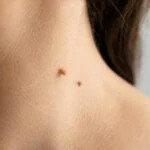 Skin tag removalGone on the day or within 2 weeks
 Tattoo removalFades a little after each session
 Botox for excessive sweatingIn days; full at about 2 weeks
 IV vitamin dripsOver weeks, if you were lowLaser hair removal for menClear drop after 2–3 sessionsGynecomastia (man boobs)From 3 weeks; main at 2 monthsAcne treatment for menFewer spots in 6–8 weeks
 HydraFacial for menCleaner, less oily skin at onceDiamond Glow facialSmoother skin straight away