What is a pumpkin and papaya peel and how does it work?
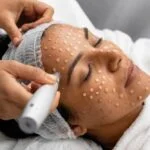
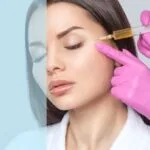
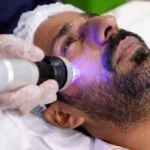
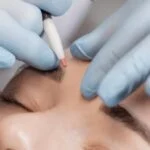
Papaya contains papain, an enzyme that breaks down the proteins holding dead surface cells together, and pumpkin adds its own enzymes and natural fruit acids. Together they exfoliate the top layer gently, without the stronger peeling of an acid-based chemical peel. Lifting away tanned, dull cells lets fresher skin show through, so your tone looks brighter and more even from the first visit. It refreshes the surface, so deeper pigment such as melasma needs other treatments.
Pumpkin and papaya peel benefits
- Lifts a sun tan: tanned surface cells are cleared, so a tan fades faster.
- A brighter, more even tone: patchy areas look more even over a course.
- Instant freshness: dull skin looks brighter the same day.
- Smoother texture: rough, dry surface cells are gently dissolved.
- Gentle on skin: enzymes exfoliate more softly than most acid peels.
- Almost no downtime: mild redness for a few hours at most.
Pumpkin and papaya peel for sun tan removal
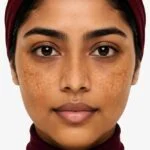
A tan is extra pigment made to protect your skin from the sun, and in a Pakistani summer the face and neck often tan far more than the rest of you. The peel lifts the tanned surface cells, so your own tone shows through sooner instead of waiting weeks for the skin to renew itself. Two to three peels, two to four weeks apart, with daily sunscreen, give the clearest change, and the neck can be done in the same visit. For dark patches that stay after a tan has gone, see our pigmentation treatments.
Pumpkin and papaya peel before and after
Straight after the first peel, skin looks brighter and feels smoother, which makes it popular before events. Over two to three peels, a tan and patchy tone fade steadily, faster when you protect your skin from the sun in between. See what our patients say about their facials on our patient reviews page.
Pumpkin and papaya peel price in Pakistan
A pumpkin and papaya peel costs from Rs 5,995 a session, the same at all 12 of our clinics.
Face
A gentle fruit-enzyme peel for tan and dull skin
Rs 5,995 per session
Face and neck
Evens the tone between your face and neck
Rs 7,995 per session
3 face peels Save Rs 3,597
A full course, about Rs 4,800 a peel
Rs 17,985 Rs 14,388 for the course
Free consultation first · Any current offer is explained at the clinic
Who shouldn’t have a pumpkin and papaya peel?
It isn’t suitable if you are allergic to papaya, kiwi or other fruit enzymes, with sunburnt, broken or infected skin, or during a flare of eczema or rosacea. If you are pregnant, tell your doctor first.
Your pumpkin and papaya peel, step by step
- Free consultation: your doctor checks your tan, pigment and skin type.
- Preparation: the skin is cleansed; a small test area may be tried first.
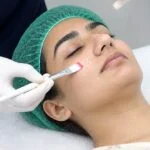
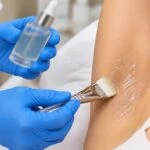
- Treatment: the enzyme mask is applied, left on for 10–20 minutes, then removed.
- Soothing: a calming moisturiser and sunscreen finish the visit, about 30 minutes in all.
- Course: usually two to three peels, two to four weeks apart.
Results and recovery
Your skin looks brighter and feels smoother straight after the first peel, and tan and uneven tone keep fading over the course. You may feel warmth or tingling, and mild redness can last a few hours, but most people go straight back to their day. Results last several weeks, longer with daily sunscreen.
Aftercare
- No make-up for the rest of the day
- No sauna or steam for 24 hours
- Pause retinol and scrubs for 2–3 days
- Wear sunscreen every day
Why choose Cutera Aesthetics
- Doctor-led: your pumpkin and papaya peel is assessed, planned and performed by our qualified doctors.
- Free consultation: an honest assessment and a clear plan before you commit to anything.
- Pumpkin and papaya peel near you: at all 12 clinics in 7 cities, at the same price. Find your nearest clinic.
Sources
- American Academy of Dermatology. Chemical peels: overview. What light peels can treat, including uneven tone and dull skin.
- American Academy of Dermatology. Chemical peels: FAQs. Recovery, number of peels and safety in darker skin.
- Trevisol TC, et al. An overview of the use of proteolytic enzymes as exfoliating agents. Journal of Cosmetic Dermatology, 2022; 21(8): 3300–7.
- Giangrieco I, et al. Plant and arthropod IgE-binding papain-like cysteine proteases: multiple contributions to allergenicity. Foods, 2024; 13(5): 790.