Receding Hairline & Baldness Treatment (Ganjapan)
Is your hairline moving back at the temples, or the crown getting thinner every year? A receding hairline is usually hereditary pattern hair loss, where roots slowly shrink. While the roots are still alive, treatment can thicken the hair again: scalp microneedling with minoxidil, PRGF and exosomes, from Rs 8,000 a session. A fully bald area where the roots have gone can’t regrow.
Also known as ganjapan, hairline peeche jana, male pattern baldness, female pattern hair loss or androgenetic alopecia.
Is this you?
- Your hairline is moving back at the temples, into an M shape
- The crown looks thinner in photos or under bright light
- A widening parting, or more scalp showing
- Hair that grows back finer and shorter than before
- Baldness in your father’s or mother’s family
See a doctor first if hair falls out in clumps or in smooth round patches, the scalp is red, scaly or painful, or hair loss came with tiredness, weight change or irregular periods: a medical cause needs checking first.
What causes receding hairline and baldness?
- Genes Hereditary pattern hair loss is the most common cause in men and women.
- Hormones In people prone to it, male hormones shrink the roots at the temples and crown.
- Age Thinning usually grows slowly over the years.
- Tight hairstyles Pulling hair back tightly for years can thin the hairline.
- Health Low iron, thyroid problems, illness or stress can cause heavy shedding.
How we treat receding hairline and baldness, step by step
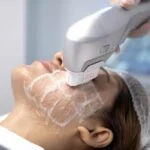
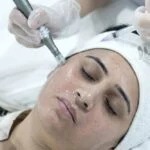
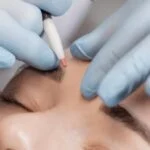
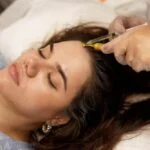
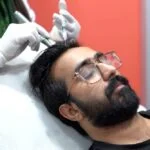
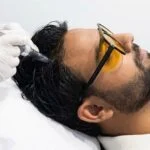
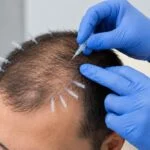
- Early thinningStep 1 · Early thinningScalp MicroneedlingTiny channels in the scalp, with minoxidil at home, grow denser, thicker hair over about three months. Rs 8,000 a session.
- Every 1–4 weeks for about 3 months
- Red, tender scalp for 1–2 days
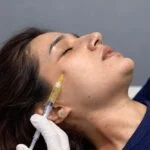
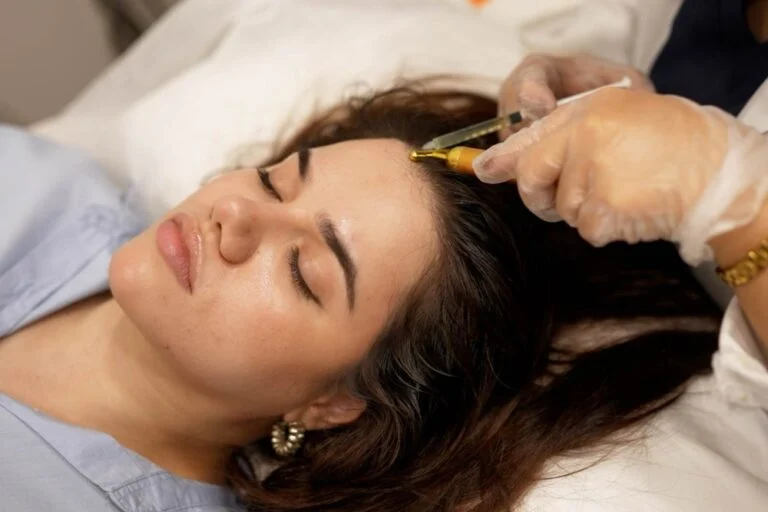 Temples and crownStep 2 · Temples and crownPRGF Hair TreatmentGrowth factors from your own blood strengthen weak roots over 3–4 sessions, a month apart. From about Rs 8,400 a session in a course of 3.
- 3–4 sessions, a month apart
- Tender, red scalp for 1–2 days
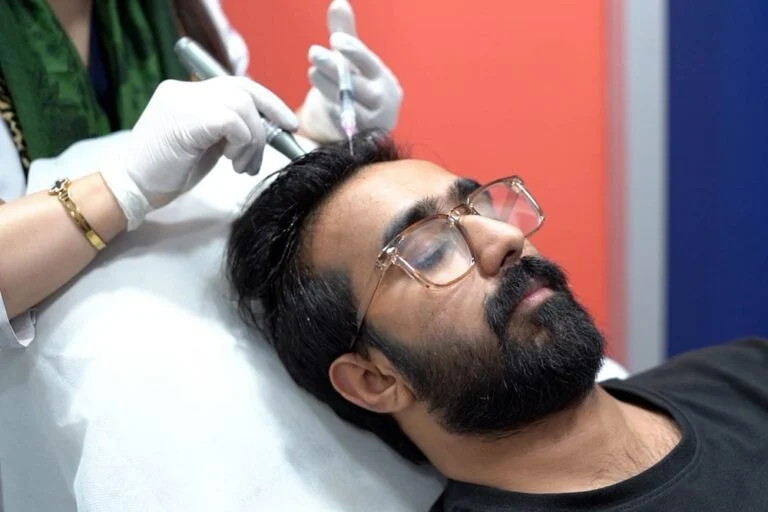 Stubborn thinningStep 3 · Stubborn thinningExosome Hair TreatmentAdded to your PRGF course to strengthen roots that are still alive. From about Rs 68,000 a session in a course.
- 3–4, with your PRGF course
- Red, tender scalp for 1–2 days
More treatments for receding hairline and baldness
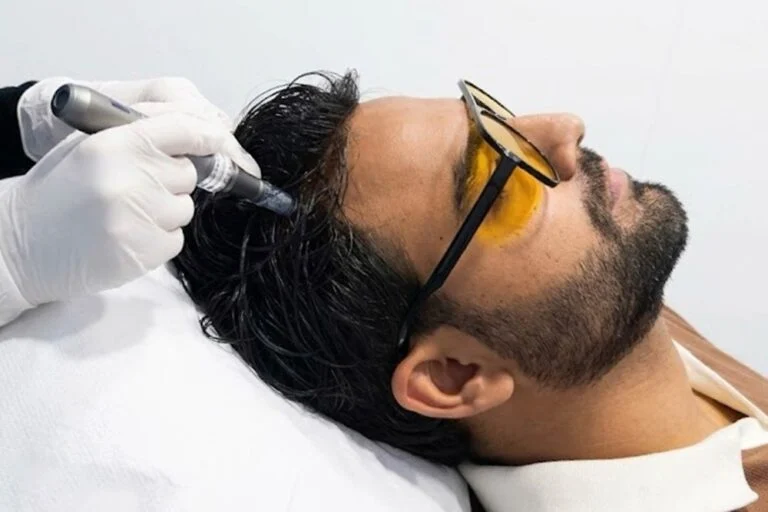 Mesotherapy for Hair“My hair feels weak and keeps falling.”
- From Rs 8,400 a session in a course
- Downtime Tender scalp for about a day
- Results last Holds well with top-ups
 PRP for Hairloss“I’m losing more hair than usual.”
- From Rs 8,400 a session in a course
- Downtime Tender scalp for 1–2 days
- Results last Top-ups every 3–6 months
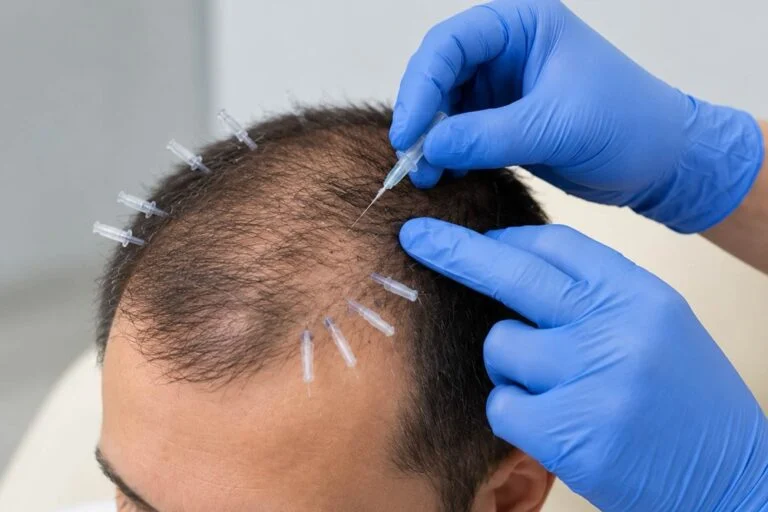 Scalp Threads“My hair has thinned at the crown.”
- From Rs 34,995
- Downtime Tender or bruised for a few days
- Results last Around a year, in our doctors’ experience
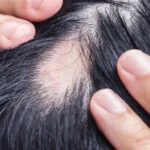
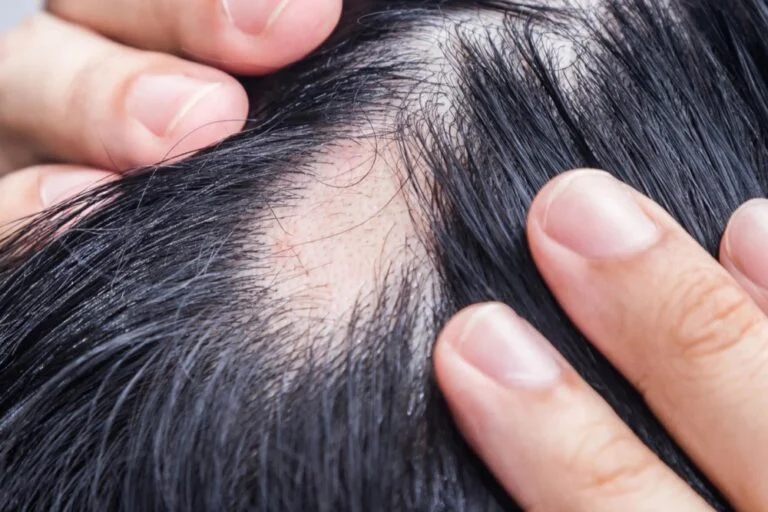 Alopecia Areata Treatment“I’ve found a round bald patch in my hair.”
- From Rs 5,600 a session in a course
- Downtime None, back to your day
- Results last Regrown hair stays; new patches can appear
Free consultation
Not sure which one suits you?
A doctor checks your skin and goals, then tells you honestly what will work, and what won’t. No obligation.








 Meet our 48 doctors
We usually reply within 15 minutes.
What results to expect
Hair grows slowly, so results take months. In a trial of 100 men, those who added scalp microneedling to minoxidil gained 91 hairs per square centimetre in 12 weeks, against 22 with minoxidil alone. In a small PRGF study, one session raised hair counts by up to 54%, and three did better still; another found hair density still higher a year after treatment began.
The honest limit: treatment thickens hair where roots are still alive, but it can’t regrow a fully bald area. Pattern hair loss keeps going in the background, so occasional top-ups and daily minoxidil keep the result.
Sources
- American Academy of Dermatology: Hair loss: diagnosis and treatment
- American Academy of Dermatology: Hair loss: who gets and causes
- Evaluating the efficacy and safety of combined microneedling therapy versus topical minoxidil in androgenetic alopecia: a systematic review and meta-analysis
- The effect of plasma rich in growth factors on pattern hair loss: a pilot study
- Exosomes and hair regeneration: a systematic review of clinical evidence across alopecia types and exosome sources
Caring for your skin at home
- Use minoxidil as your doctor advises, every day: it works only while you keep using it.
- Start early: treatment saves roots that are still alive, so don’t wait until an area is bald.
- Avoid tight ponytails, braids and caps that pull on the hairline all day.
- Eat enough protein and iron, and ask for a blood test if you shed heavily.
- Be gentle: wash and comb softly, and keep hot tools and harsh dyes to a minimum.
Receding hairline and baldness: your questions answered
Straight answers from our doctors to what people ask most about receding hairline and baldness.
Choosing a treatment 6
01What is the best treatment for a receding hairline?
For early thinning, scalp microneedling with minoxidil has some of the strongest trial results.
PRGF hair treatment strengthens weak roots at the temples and crown, and exosomes can be added for stubborn thinning. Your doctor may also suggest prescription tablets. Starting early matters most.
02Can a receding hairline grow back?
Partly, if the roots are still alive.
Treatment can thicken thinning hair at the temples and crown and slow further loss, with the clearer change at about three months. Where the scalp has been smooth and bald for years, the roots have usually gone, and no treatment regrows that area.
03What is the best baldness treatment?
For pattern baldness while hair is still thinning, a doctor’s plan combining minoxidil, scalp microneedling or PRGF, and sometimes prescription tablets, works best.
For a fully bald area, a hair transplant is the usual answer, which we don’t offer. For smooth round bald patches, see alopecia areata treatment.
04Is hair loss in women treated the same way?
Mostly, yes.
Women usually see a widening parting rather than a receding hairline, and respond to the same treatments: microneedling with minoxidil, PRGF, mesotherapy and exosomes. The doctor also checks for causes such as low iron, thyroid problems or PCOS, which need treating too.
05Do oils, shampoos or home remedies stop a receding hairline?
Not on their own.
Oils and shampoos can keep hair and scalp healthy, but they don’t stop hereditary thinning. Minoxidil is the best-proven lotion, and it works only while you keep using it. Clinic treatments add to it by strengthening the roots.
06Where can I get receding hairline treatment near me?
Receding hairline treatment is available at all 12 Cutera Aesthetics clinics, at the same price in every city.
We have clinics in Karachi, Lahore, Islamabad, Rawalpindi, Faisalabad, Hyderabad and Sialkot, with female doctors at each one. Find your nearest clinic, or message us on WhatsApp and we’ll book your free consultation at the one closest to you.
Cost & results 2
07How much does receding hairline treatment cost in Pakistan?
Scalp microneedling is Rs 8,000 a session.
Scalp PRGF+ is Rs 11,995, or Rs 25,190 for three (about Rs 8,400 a session), and PRGF Fusion Rs 13,995, or Rs 29,390 for three. Scalp mesotherapy is Rs 11,995, or Rs 25,190 for three. Prices are the same at all 12 clinics, the consultation is free, and any current offer is explained at the clinic.
08How long until I see results?
Shedding often slows in the first weeks, and new or thicker hair shows at about three months, because hair grows slowly.
PRGF is usually 3–4 sessions a month apart, and microneedling sessions run for about three months. Hereditary thinning carries on, so most people keep minoxidil and occasional top-ups.
Safety & recovery 2
09Is it safe, and is there downtime?
Yes, in doctor-led care.
The scalp may be red and tender for a day or two after microneedling, PRGF or exosomes, and you can wash your hair the next day. Studies of PRGF and exosomes reported no serious side effects. Treatment waits during a scalp infection.
10Do you do hair transplants?
No, we don’t offer hair transplants.
Our treatments thicken hair where roots are still alive, which suits thinning at the temples, crown or parting. If an area is fully bald and a transplant would serve you better, your doctor tells you honestly at your free consultation.
اردو میں خلاصہ
ماتھے کے کونوں سے بالوں کا پیچھے ہٹنا یا سر کے اوپر بال پتلے ہونا عام طور پر موروثی گنج پن ہوتا ہے، جس میں بالوں کی جڑیں آہستہ آہستہ کمزور ہوتی ہیں۔ خواتین میں عموماً مانگ چوڑی ہوتی ہے۔
کیا بال واپس آ سکتے ہیں؟ جہاں جڑیں زندہ ہوں وہاں علاج سے بال گھنے ہو سکتے ہیں، فرق تقریباً تین مہینے میں نظر آتا ہے۔ جہاں سر بالکل صاف ہو چکا ہو وہاں بال واپس نہیں آتے۔ ہم ہیئر ٹرانسپلانٹ نہیں کرتے۔
علاج: ہمارے ڈاکٹر پہلے وجہ دیکھتے ہیں، پھر اسکیلپ مائیکرونیڈلنگ، پی آر جی ایف یا ایگزوسومز تجویز کرتے ہیں۔
گھر پر: ڈاکٹر کے مشورے سے منوکسیڈل روز لگائیں، بالوں کو سختی سے نہ باندھیں اور جلد علاج شروع کریں۔
مفت مشورے کے لیے ہمیں واٹس ایپ کریں۔