Skin Polishing: What It Is, Benefits and Side Effects
· Edited by Shahid Hussain
A wedding is close, or Eid, and your skin looks dull and tanned after the summer. The parlour offers a skin polish. Is it worth it, and is it safe?
Thinking about HydraFacial? Ask us on WhatsApp. A doctor gives you an honest answer at a free check-up.
Skin polishing is a treatment that removes the dull, dead cells on the surface of your skin, so it looks brighter and feels smoother. In a skin clinic, the name usually means microdermabrasion. In a parlour or a home kit, it is often a scrub or a bleach-based polish. Skin feels smoother straight after a session. The result is temporary, so most people repeat it.2,3
One thing first: at Cutera Aesthetics we do not offer a treatment sold as skin polishing. This guide explains the method honestly, then what we offer instead.
What is skin polishing?
The name covers three different things, so ask what you are booking:
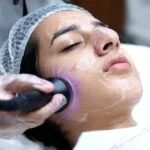
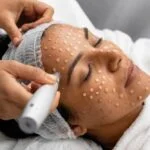
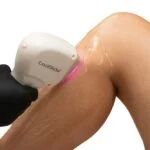
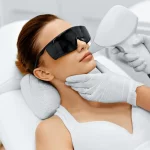
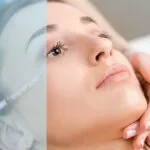
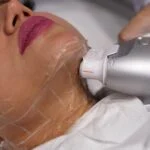
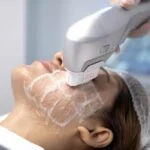
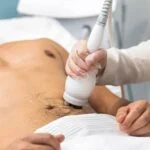
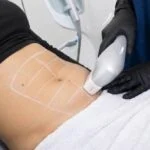
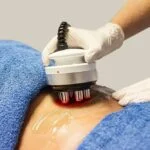
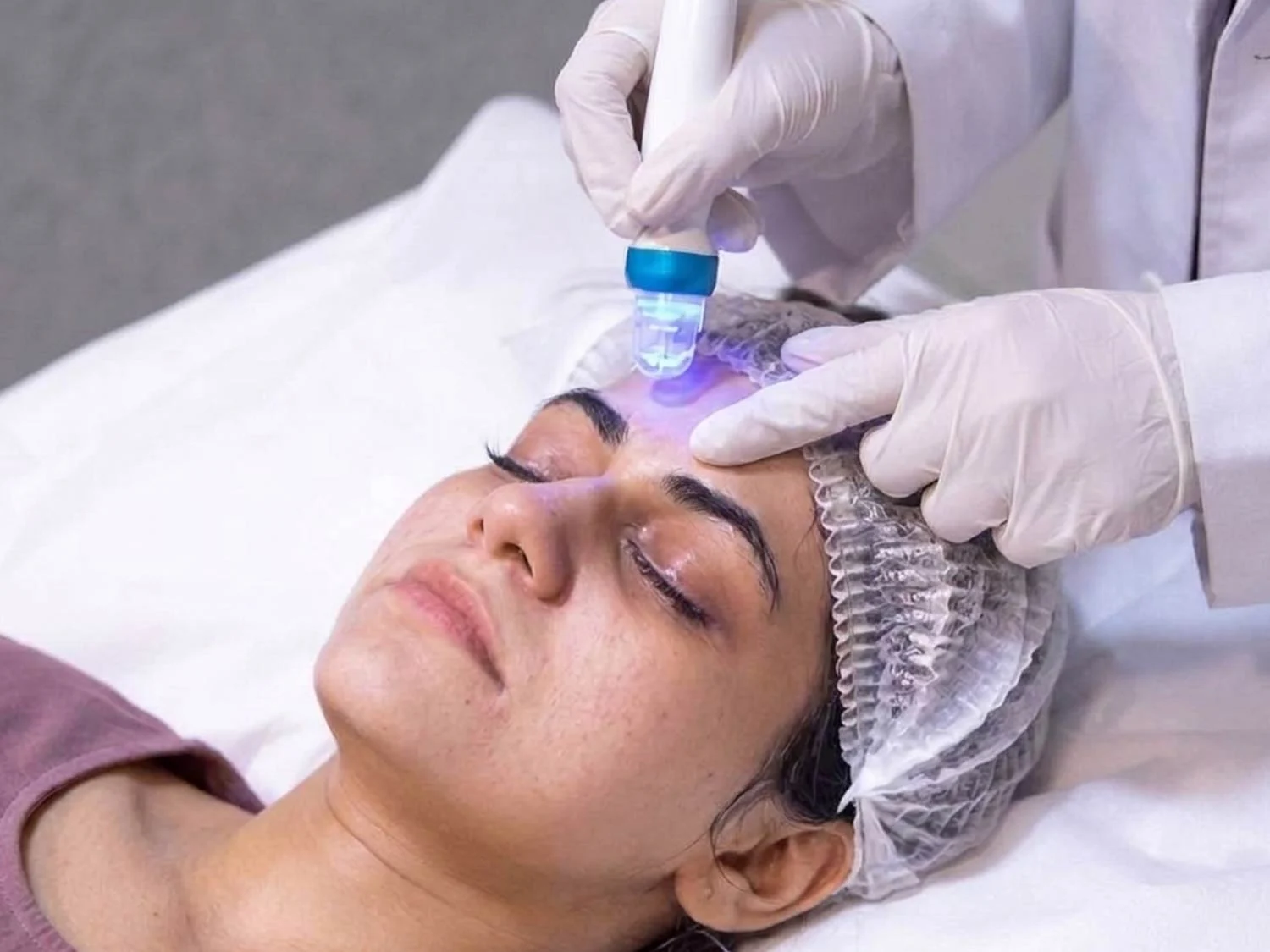
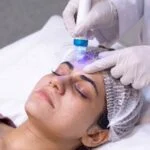
- Clinic skin polishing (microdermabrasion): a handheld device gently removes the top layer of skin. It uses fine crystals or a diamond tip, and suction lifts the dead skin away.2,3
- Parlour skin polishing: a cleanse, a scrub or mild exfoliation, then a serum or cream. It is gentler than the clinic version.
- Skin polish kits: in Pakistan the word also means a kit. One pack sold online holds four things: a bleach powder, a cream developer, a soothing lotion and a “skin shiner”. They are mixed into a paste.
How is skin polishing done, step by step?
This is how a dermatologist does microdermabrasion:
- Skin check: the doctor looks at your skin. You are asked about your medicines, cold sores and how you scar.2
- Exfoliation: the device is passed over clean skin. It can feel like light sanding or scratching, and no numbing is needed.2,3
- Time: about 30 to 40 minutes for the face, and about 20 minutes for the neck.2
- Finish: a moisturiser goes on, and you leave with a skincare plan that includes sun protection.2
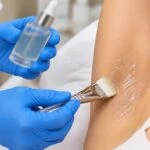
A kit polish works differently. The paste goes on the face and neck in a thin layer. It stays for up to 15 minutes, less on sensitive areas. Then it is washed off.
Skin polishing benefits, and the evidence
- Smoother, softer skin: you can feel it after the first treatment.3
- A brighter, more even look: after a few sessions, skin can look brighter and more even in colour.1
- Help for dull skin, uneven texture and age spots: these are what dermatologists use it for. Large pores, blackheads, fine lines and mild acne scars can look better too.1,3
- Creams work better afterwards: your skincare gets into the skin more easily.1,4
- No downtime: you go straight back to your day.2
The proof is modest. Studies show it can improve rough, uneven texture. It does less for uneven colour and acne.4 In one small study, every patient saw “a mild but definite improvement”.5 So expect a fresher surface, not a new skin.
Is skin polishing the same as a facial, microdermabrasion or a HydraFacial?
In a clinic, skin polishing and microdermabrasion are usually the same thing. A regular facial cleanses the surface. Polishing goes one step further and rubs off the dull top layer.3 A HydraFacial does that job with water and suction instead of crystals. A chemical peel does it with a gentle acid.
| Skin polishing (microdermabrasion) | HydraFacial | Chemical peel | |
|---|---|---|---|
| How it works | Crystals or a diamond tip rub off the top layer; suction clears the debris3 | Water and gentle suction lift dead skin and clear the pores, then serums hydrate | A gentle acid loosens dull surface cells, which shed over a few days |
| Best for | Dull skin, uneven tone or texture, age spots1 | Dull, dehydrated skin, clogged pores and blackheads | Pigmentation, acne and acne marks, dull or tanned skin |
| Downtime | None; skin can be pink or slightly swollen for about a day2 | None; a light pink flush settles within an hour or so | Little; redness for hours, then light flaking for a few days |
| How long results last | Temporary; follow-up sessions keep them2 | The glow lasts a few weeks; monthly sessions keep it | Months, with daily sunscreen and top-up peels |
What are the side effects of skin polishing, and who should avoid it?
Most people notice only pink, slightly puffy skin, like a mild sunburn. It tends to fade within a day.2 Less often, skin can bruise, sting or feel dry and flaky. It can also be more sensitive to the sun for a while. These settle without treatment.2,3
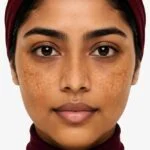
On brown skin, one point matters. Does your skin leave dark spots after a pimple or a cut? Then polishing can leave more of them. The risk is minor when a dermatologist treats you.2
See a dermatologist first if you:
- took isotretinoin in the past six months, or scar easily;2
- have a mole or spot that is growing, bleeding or changing;2
- have active acne, cold sores, eczema or psoriasis.3
With a bleach-based polish, the question is what is in the tub. Hydrogen peroxide is the bleach used for hair at home. It can irritate skin, and it bleaches skin and hair for a time.7 The kit pages we read did not list their ingredients. So try a new kit on a small patch of skin first.
How often can you have skin polishing?
Most people can safely have another session a week later. Some skin needs several weeks to recover.2 For signs of ageing, dermatologists treat weekly, every two weeks or monthly. Most patients have between 5 and 16 treatments.2 After that, a monthly session keeps the result.3 Sunscreen and shade make it last longer.2
Skin polishing at home: what is safe?
Looking for “skin polish karne ka tareeqa”? A home polish is milder than a clinic one. A dermatologist’s treatment goes a bit deeper than a kit can.1 These tips from dermatologists apply to any polish at home:6
- Be gentle. Use small circles for about 30 seconds, then rinse with lukewarm water.
- Moisturise straight after, because exfoliating dries the skin.
- Never polish sunburnt skin, or skin with open cuts.
- Take care if you use a retinol or benzoyl peroxide cream. These already make skin sensitive.
- On darker skin tones, avoid strong scrubs and strong acids. They can leave dark spots.
Does skin polishing whiten skin?
No. Many people call it a “whitening polish”, but skin polishing does not whiten. It removes dull surface cells and a tan, so your own tone looks brighter. It does not change your natural skin colour. Some polishes contain a bleach such as hydrogen peroxide. That also lightens the skin and fine facial hair for a time.7
Take care with any “whitening” polish or cream that has no ingredient list. The World Health Organization says some skin-lightening products contain mercury. Mercury harms the kidneys, nerves and skin.8 Does the label list mercury, mercurous chloride or calomel? Is there no label at all? Then do not use it.9
Medical-grade facials such as HydraFacial and Diamond Glow do not use bleach or mercury. That is one reason a doctor-led facial is the safer choice.
Skin polishing at Cutera Aesthetics
We do not offer a treatment sold as skin polishing. For the same goals, smoother, brighter and cleaner skin, our doctors use three treatments. A doctor checks your skin first.
- HydraFacial: our first choice for dull or congested skin. It comes as a 7-step or a Platinum session, takes about 40 minutes and has no downtime. See all nine HydraFacial benefits.
- Diamond Glow facial: the nearest thing we offer to a classic skin polish. A diamond tip smooths rough skin. Suction clears the pores and a serum goes in.
- Chemical peel: for dark spots, acne marks and a tan.
All three are at all 12 of our clinics in 7 cities, and the consultation is free.
Questions people ask
How long does skin polishing last?
The results are temporary. Skin feels smoother straight away, and follow-up sessions are usually needed to keep it that way.2 Sun protection helps the result last longer.
Which is better, skin polish or facial?
It depends on your goal. For rough, dull skin, a polish does more, because it removes the dead top layer. For a relaxing cleanse, a facial is enough. Before a wedding or Eid, ask what the parlour polish contains.
How to do skin polishing at home?
Cleanse, then apply the polish gently. Leave it no longer than its instructions say. Rinse with lukewarm water, then moisturise and wear sunscreen.6 Test a new kit on a small patch of skin first.
What is the skin polishing price in Pakistan?
It varies by parlour or clinic. It also depends on what the polish is: a scrub, a kit or a machine. We do not offer skin polishing, so we have no price for it. Our first choice for the same goal is a HydraFacial: see the HydraFacial price in Pakistan.
Is skin polishing good for the face?
Yes, for dull skin and rough texture. After a series of treatments, people usually report smoother skin and a more radiant complexion.2
Is skin polishing the same as bleach?
No, but some polish kits contain a bleach. Microdermabrasion rubs away dead cells and has no bleach in it. A bleach-based polish is a different thing: it lightens rather than exfoliates.
Is skin polishing good for acne?
Not much. Studies show it does little for acne.4 If you have active pimples, ask a doctor before having it.3
Skin polishing or chemical peel: which should I choose?
Polishing for rough texture, a peel for marks and uneven colour. Both exfoliate, but a peel works deeper.3 Our chemical peel vs HydraFacial guide compares them by concern.
Can skin polishing be done on the body?
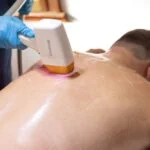
Yes. Microdermabrasion can be done on the face, neck, back, hands or chest.3
Talk it through first
Consultations are free. A doctor looks at your skin and tells you honestly which treatment fits your goal. Find a skin specialist near me, or message us on WhatsApp and we reply.
Medically reviewed by Dr Sadaf Saleem, Dermatologist, FCPS (Dermatology), PM&DC 62494-P; Dr Junaid Rabbani, Dermatologist, PM&DC 44510-S; and Dr Shegref Mushtaq, Dermatologist, FCPS (Dermatology), PM&DC 19827-N
- American Academy of Dermatology. Microdermabrasion: Overview.
- American Academy of Dermatology. Microdermabrasion: FAQs.
- Cleveland Clinic. Microdermabrasion. 2023.
- Karimipour DJ, Karimipour G, Orringer JS. Microdermabrasion: an evidence-based review. Plast Reconstr Surg, 2010.
- Bhalla M, Thami GP. Microdermabrasion: reappraisal and brief review of literature. Dermatol Surg, 2006.
- American Academy of Dermatology. How to safely exfoliate at home.
- Agency for Toxic Substances and Disease Registry (US). Hydrogen peroxide: ToxFAQs.
- World Health Organization. Mercury and health.
- US Food and Drug Administration. Mercury poisoning linked to skin products.
Treatments in this article
Sessions, downtime and results for each, on its own page.



Related articles

Ready when you are
Book your free consultation
A doctor checks your skin, hair or body first. No obligation.











 Meet our 49 doctors
We usually reply within 15 minutes.