Chemical Peel vs HydraFacial vs Skin Polishing: Which One?
· Edited by Shahid Hussain
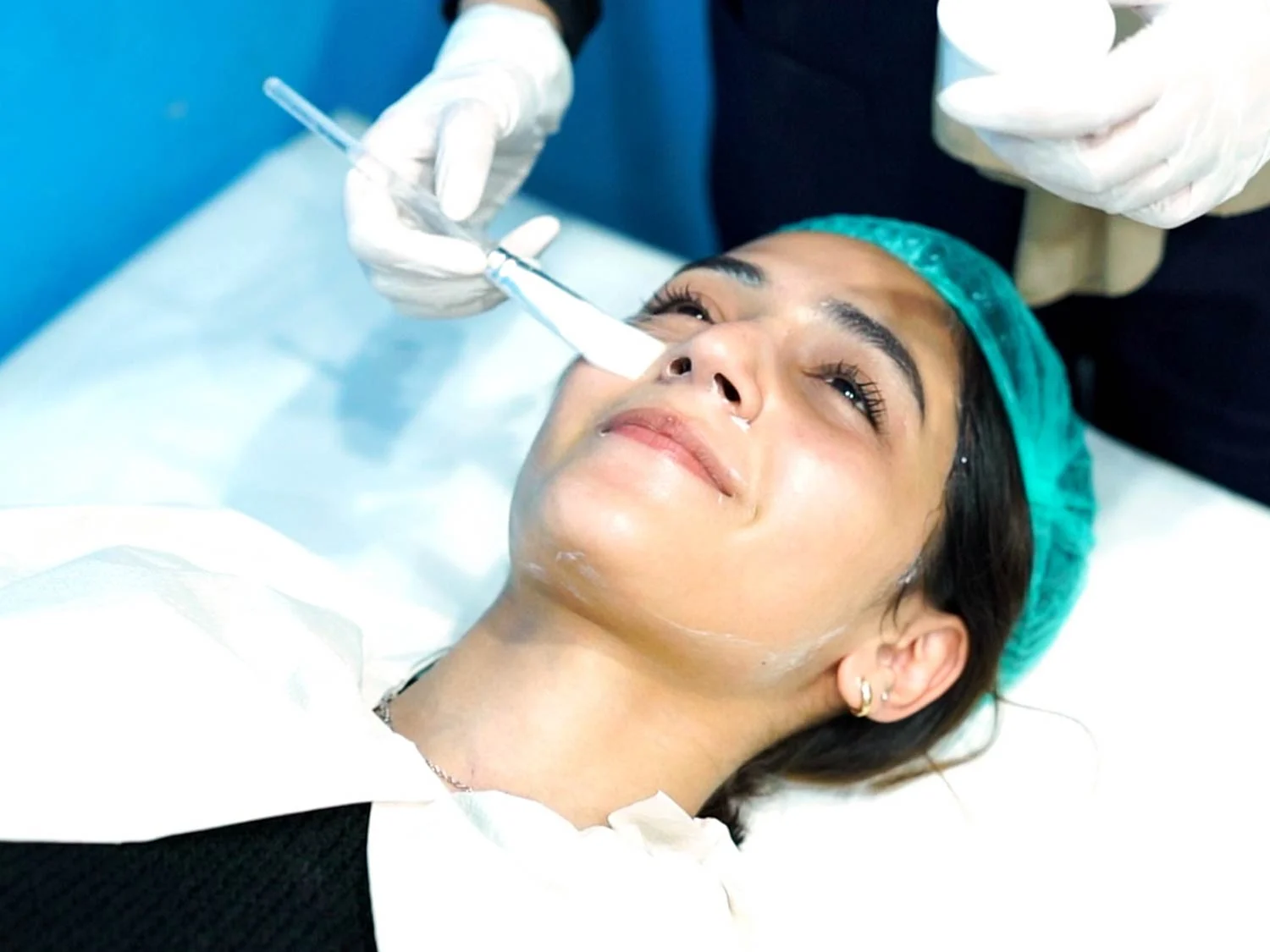
Your skin looks tired in every photo. The salon down the road offers “skin polishing”. Your cousin swears by her HydraFacial. A friend with clear, even skin says it was a chemical peel. They all promise a glow, so which one do you actually need?
Here’s the short answer. For dull, dry or congested skin, choose a HydraFacial. For dark spots, acne marks or a stubborn tan, a chemical peel does more. For rough texture, skin polishing (microdermabrasion) smooths the surface. All three are gentle when a doctor does them, and the best choice depends on what you want to change.1,2
What’s the difference?
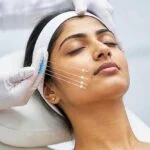
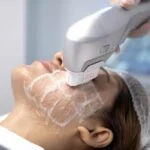
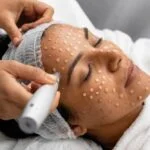
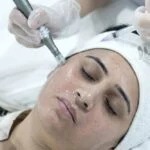
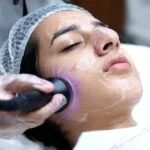
- HydraFacial: a deep-cleansing, hydrating facial. It clears pores with gentle suction, exfoliates lightly and floods the skin with serums. About 40 minutes, with no downtime.
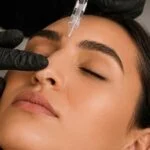
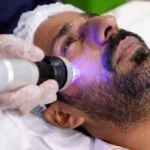
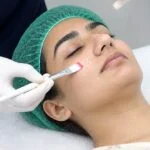
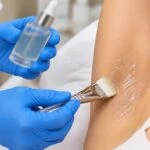
- Chemical peel: a doctor applies a gentle acid that loosens dull, damaged surface cells, which then shed over a few days to reveal fresher, more even skin.1
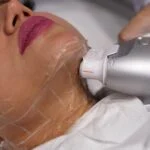
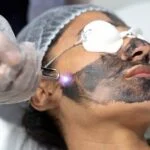
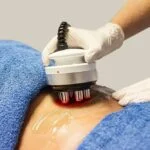
- Skin polishing: the everyday name for microdermabrasion, which buffs away the top layer of dead skin. In clinic, a Diamond Glow facial does this with a diamond tip, clears pores and infuses a serum in the same pass.
Chemical peel vs HydraFacial: which suits your skin?
- Dull, dry, tired-looking skin: HydraFacial. You see the glow the moment you sit up.
- Blackheads and oily skin: HydraFacial, or a salicylic acid peel for more stubborn clogging.
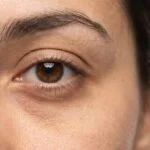
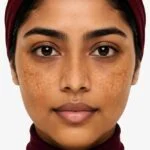
- Dark spots, acne marks or a tan: a chemical peel. A course of light peels fades pigment a little more each time.1
- Active pimples: a salicylic acid peel, which works inside the oily pore.
- Rough, uneven texture: skin polishing or a Diamond Glow facial.
- A wedding or event next week: HydraFacial. It has no peeling, so it’s the safest choice close to the day.
How long does each one last?
A HydraFacial glow lasts a few weeks, and a session about once a month keeps it going. Changes from peels build over a course of sessions, usually a few weeks apart, and they last longer when you protect your skin from the sun. Skin polishing gives smoother skin straight away, and regular sessions keep refining it.
What about downtime and side effects?
All three are gentle, and most people go straight back to their day:
- HydraFacial: a light pink flush that settles within an hour or so.
- Skin polishing: skin can look a little pink or slightly puffy, like mild windburn, and it usually fades within a day.2
- Light chemical peel: some redness, then light flaking for a few days as the old skin sheds. Use sunscreen every day while it heals.1
On brown skin, the main thing to avoid is irritation, because it can leave dark marks. That’s why a doctor should choose the peel’s strength and the polishing setting for your skin.
Salon polishing vs clinic treatment
Many salons offer skin polishing with strong scrubs or unlabelled whitening creams. The American Academy of Dermatology says microdermabrasion has an excellent safety record when a dermatologist does it, and that a doctor’s care lowers the risk of side effects.2 In a clinic, the tools are sterile, the strength is chosen for your skin, and nothing goes on without a clear ingredient list.
What does each one cost?
At our clinics, prices are the same at all 12 branches:
- See the HydraFacial price in Pakistan: from Rs 6,995 a session.
- See the chemical peel price in Pakistan: about Rs 4,800 a session in a course of 3.
- A Diamond Glow facial is priced at your free consultation.
Questions people ask
Can I have a HydraFacial and a chemical peel together?
Sometimes, yes. HydraFacial already includes a mild acid step, and a doctor can plan a stronger peel separately, with a gap in between, so your skin isn’t overworked.
Is skin polishing good for acne?
Not for active, inflamed pimples, because rubbing can irritate them. A salicylic acid peel or a HydraFacial is usually the better choice.
Which is best before a wedding?
Start peels two to three months ahead if you want to fade marks. Then have your final HydraFacial a few days before the day, for the glow with no peeling.
Does skin polishing make skin fairer?
It brightens by removing dull surface cells, but it doesn’t change your natural skin colour.
Not sure which one?
Consultations are free at all 12 of our clinics, and you can ask for a female doctor. A doctor looks at your skin in good light and tells you which treatment will make the biggest difference for your goal and budget. You can also see HydraFacial in Lahore, or message us on WhatsApp and we reply.
Medically reviewed by Dr Sadaf Saleem, Dermatologist, FCPS (Dermatology), PM&DC 62494-P; Dr Junaid Rabbani, Dermatologist, PM&DC 44510-S; and Dr Shegref Mushtaq, Dermatologist, FCPS (Dermatology), PM&DC 19827-N
- American Academy of Dermatology. Chemical peels: Overview.
- American Academy of Dermatology. Microdermabrasion: FAQs.
Treatments in this article
Sessions, downtime and results for each, on its own page.



Related articles



Ready when you are
Book your free consultation
A doctor checks your skin, hair or body first. No obligation.











 Meet our 48 doctors
We usually reply within 15 minutes.