Melasma Treatment at Home: What Works and What Doesn’t
· Edited by Shahid Hussain
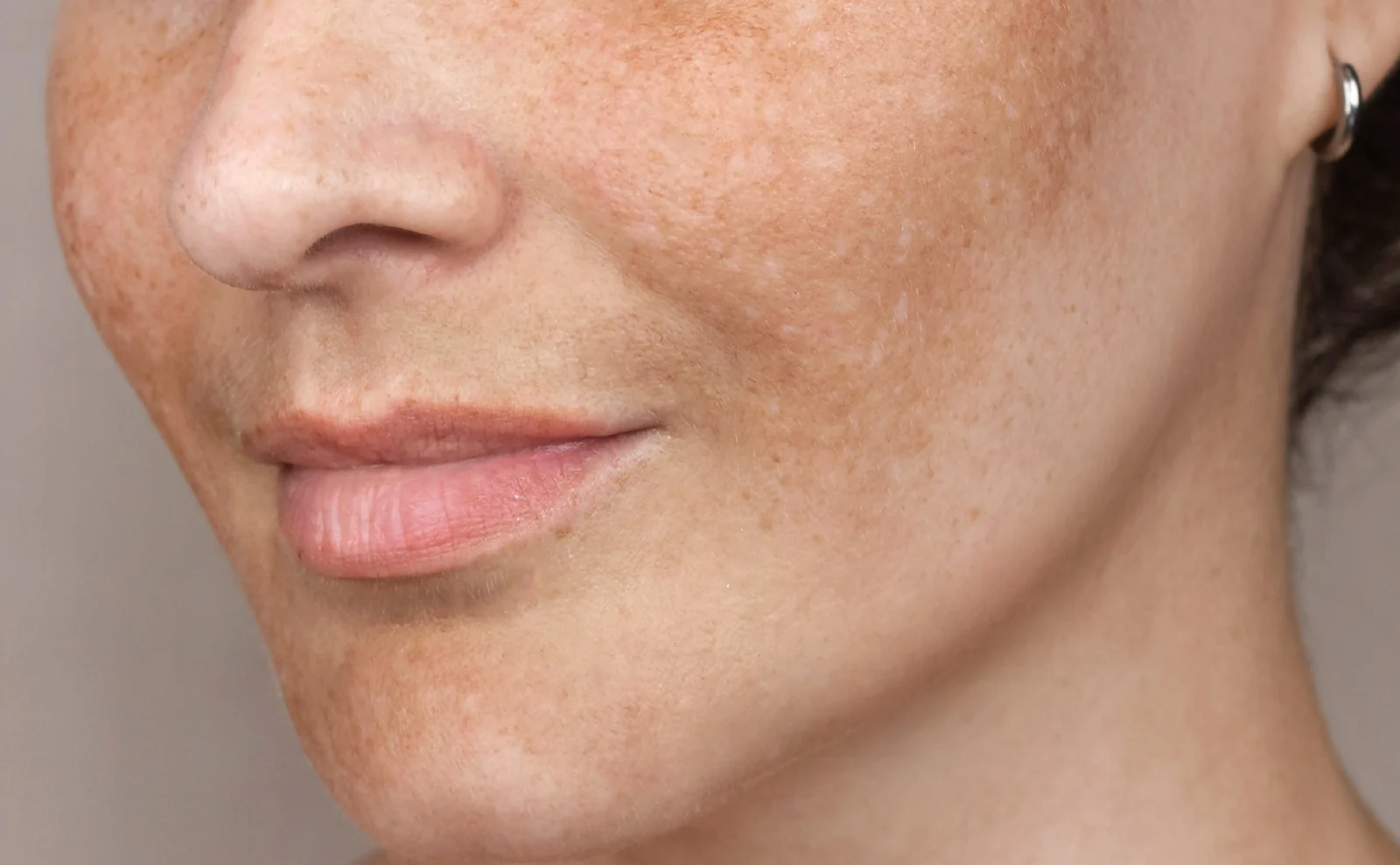
It started quietly. A faint brown shadow on both cheeks, maybe after a pregnancy, maybe after a summer of school runs in the sun. You tried a cream a friend swore by, then a lemon-and-honey mask from a video. The patches faded for a while, then came back darker.
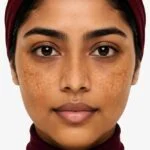
If that sounds familiar, you probably have melasma, or chhaiyan. Here’s the honest answer about melasma treatment at home: daily tinted sunscreen and the right cream, used patiently, can lighten it a lot. But melasma can’t be cured for good, and kitchen remedies often make it worse. Most people see the best results when home care and a doctor’s plan work together.1
What is melasma, and why does it keep coming back?
It shows up as brown or grey-brown patches, usually on both cheeks, the forehead, the nose or the upper lip. It’s very common in women with brown skin, and it often runs in families. Three things switch it on:1
- Light: sunlight, and even visible light from windows and screens.
- Hormones: pregnancy, the contraceptive pill or hormone treatment.
- Heat: hot kitchens, steam and hot weather can darken it, even out of the sun.
Because these triggers are part of daily life, it tends to return. The good news: when it’s caused by pregnancy or the pill, it can fade by itself after the baby arrives or the pill is stopped.1
Melasma treatment at home, step 1: the right sunscreen
This is the one step nothing else works without. Use a broad-spectrum sunscreen of SPF 30 or higher every day, indoors too, and reapply when you’re outside.1
For these patches, choose a tinted sunscreen with iron oxide. Ordinary sunscreen blocks UV, but tinted ones also help block visible light, which darkens melasma too. Sunscreens with zinc oxide or titanium dioxide are good choices.1 Add a wide-brimmed hat when you’re out in the day.
Step 2: melasma creams that help
Dermatologists usually start with one of these:1
- Hydroquinone: a well-known lightening cream that evens out tone.
- Triple cream: hydroquinone, tretinoin and a mild steroid in one. It works well, but because of the steroid it’s for limited use only.
- Gentler options: azelaic acid, kojic acid or vitamin C, often used to keep results going.
Use these the way your doctor advises. Some lightening creams are only meant for a limited time, and using them for months on end can cause problems of their own.
What about tranexamic acid?
Tranexamic acid is one of the most talked-about melasma treatments, and with good reason. A 2024 review of 22 trials in 1,280 people found it reduced melasma, whether used as a cream, a pill or small injections. The pill worked best.2
It suits most people, and side effects are usually mild: an upset stomach, some skin irritation from the cream, or changes to periods.2 The pill needs a prescription, and it isn’t suitable if you’ve had a blood clot, so your doctor checks this first.1
What doesn’t work, or makes it worse?
- Lemon juice and harsh scrubs. They irritate the skin, and irritation can make melasma darker.
- Unlabelled “whitening” creams. Some contain strong steroids, which thin the skin over time. Others contain mercury, which the World Health Organization links to kidney and nerve damage.3 If a cream has no ingredient list, skip it.
- Stopping sunscreen once it fades. This is the most common reason melasma comes back.
How long until I see a difference?
Be patient with yourself. With the right routine, results usually take 3 to 12 months, and longer if you’ve had melasma for years.1 Take a photo in the same light each month, because slow change is hard to notice in the mirror.
Melasma in pregnancy
It’s common in pregnancy, and it often fades after the baby is born.1 For now, gentle care is best: tinted sunscreen, a hat and avoiding heat. Many melasma creams and tablets aren’t used in pregnancy or while breastfeeding, so always ask your doctor before starting one.
When home care isn’t enough
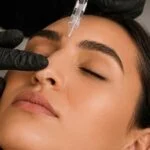
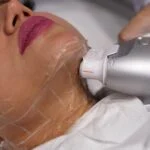
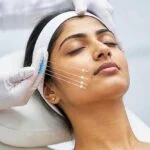
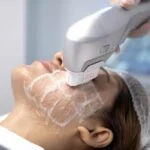
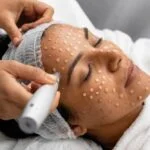
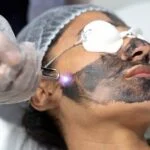
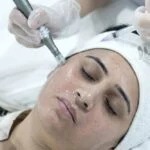
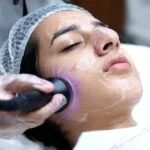
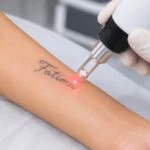
If your patches haven’t moved after a few months of sunscreen and cream, a clinic treatment can help, always alongside your home routine. Doctors use a light chemical peel, gentle pico laser or radiofrequency microneedling for deeper melasma.1 On brown skin, gentle settings and a doctor who knows melasma matter, because too much heat can darken it.
Our melasma page explains how our doctors plan this, from about Rs 4,800 a session in a course.
Questions people ask
How can I get rid of melasma permanently?
Honestly, you can’t promise it’ll never return. But you can make it much lighter and keep it down, with daily sunscreen, the right cream and an occasional top-up treatment.
Which melasma cream is best in Pakistan?
There’s no single best cream for everyone. It depends on your skin, how deep the melasma is and whether you’re pregnant. A doctor can choose one, and tell you how long to use it safely.
Does melasma go away on its own?
Sometimes, especially after pregnancy or stopping the pill. When it has other causes, it usually needs treatment and steady sun protection.1
Can men get melasma?
Yes. It’s much more common in women, but men get it too, and the same steps help.
Get a plan that fits your skin
Aesthetic consultations are free at all 12 of our clinics, and you can ask for a female doctor. A doctor looks at your patches in good light, suggests the right home routine, and tells you honestly whether a clinic treatment will add anything. See a skin specialist in Islamabad, or message us on WhatsApp and we reply.
Medically reviewed by Dr Sadaf Saleem, Dermatologist, FCPS (Dermatology), PM&DC 62494-P; Dr Junaid Rabbani, Dermatologist, PM&DC 44510-S; and Dr Shegref Mushtaq, Dermatologist, FCPS (Dermatology), PM&DC 19827-N
- American Academy of Dermatology. Melasma: Diagnosis and treatment.
- Calacattawi R, et al. Tranexamic acid as a therapeutic option for melasma management: meta-analysis and systematic review of randomized controlled trials. J Dermatolog Treat, 2024.
- World Health Organization. Elimination of mercury-containing skin lightening products.
Treatments in this article
Sessions, downtime and results for each, on its own page.
 Pico Laser Treatment for Pigmentation (Picosecond Laser)Appointment: 10–30 minutes · Downtime: Redness for a few hours to 2 days
 Chemical PeelAppointment: About 20 minutes for the face · Downtime: Little: redness for hours, light flaking
 RF Microneedling (INFINI)Appointment: About 40 minutes, plus numbing · Downtime: Redness for 1–3 days
Related articles



Ready when you are
Book your free consultation
A doctor checks your skin, hair or body first. No obligation.











 Meet our 48 doctors
We usually reply within 15 minutes.