Glutathione Injection Side Effects: Is It Really Safe?
· Edited by Sobia Mansoor

The wedding is eight weeks away. At the salon, someone swears by her “gluta drip”, and now half your cousins are asking about the gora hone ka injection. Before you book, you want one honest answer: is it safe?
Here it is. For most people, glutathione injection side effects are minor, often just a small bruise where the drip went in. But it isn’t completely risk-free, and the evidence that it lightens skin is weak. That’s why it should only be given by a doctor, after a health check, and why it’s worth knowing what the research really shows.1,2
What is a glutathione injection?
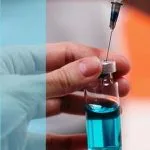
Glutathione is an antioxidant your body makes every day. In the skin, it slows down the enzyme that makes dark pigment. A glutathione injection gives it straight into a vein as a slow drip, usually with vitamin C, over about 40 to 45 minutes. People also call it a whitening injection, a gluta drip or a skin whitening injection.
One thing to know upfront: it can brighten your own tone, but it can’t change the skin colour you were born with. It isn’t approved specifically for skin whitening.
Glutathione injection side effects: what’s common?
Most people go straight back to their day. The usual thing is mild:
- a small bruise or tenderness where the cannula went in.
In the Pakistani trial, everyone who had the injections reported some side effect, though the study doesn’t list most of them.1 Tell the doctor at once about any rash, itching, breathlessness or stomach upset, during or after a drip.
What are the rare but serious side effects?
These are uncommon, and a careful doctor watches for them:
- Allergic reaction: one person in the trial had a severe allergic reaction.1 This is why a doctor should stay with you during every drip.
- Liver blood test changes: eight people in the trial had abnormal liver tests and stopped treatment.1
Glutathione injections aren’t suitable if you’re pregnant or breastfeeding, have liver or kidney disease, asthma or a history of allergies, or are having cancer treatment.
Does it actually work? The honest before and after
The research is limited, and it’s worth knowing before you spend money. The only placebo-controlled trial of the drip took place in Multan. Women had glutathione with vitamin C twice a week for six weeks:1
- 37.5% of them had a clear improvement in skin tone.
- 18.7% of those given a salt-water drip improved too.
- The difference between the two groups wasn’t statistically significant.
- Six months later, only one person had kept the change.
A 2025 review of all the research went further. It found glutathione tablets and creams gave a moderate lightening in trials. For the drip, it concluded it shouldn’t be used for skin lightening, because of the weak results and the side effects.2
So if someone shows you a dramatic before-and-after photo, remember that results vary a lot, and lighting and sun exposure change how skin looks.
So, is glutathione safe?
Given by a doctor, after a health check, most people have no serious problems. But “safe” also means “worth it”, and the drip’s benefit is uncertain. If you still want to try it, choose a clinic where:
- a doctor checks your health and medicines first;
- the sealed vial is opened in front of you;
- a doctor stays with you during the drip;
- you’re told honestly that results vary and fade once you stop.
Avoid home drips and salons. A drip needs medical hands, sterile equipment and someone who can manage an allergic reaction.
What works better for a brighter, even tone?
For most people, the biggest difference comes from a plan rather than one drip:
- Daily sunscreen. The sun deepens tan and dark spots, and every other treatment works better alongside it.
- Peels and laser for spots and uneven tone. These work on the pigment itself. Our pigmentation treatment page compares them.
- Give it time. A brighter tone builds over weeks, so start two to three months before a wedding.
Questions people ask
How long do glutathione results last?
Any lightening tends to fade once the injections stop. In the trial, only one person had kept the change six months later.1
Can glutathione make me permanently fair?
No. It can brighten your own tone for a while, but it can’t change your natural skin colour.
Is glutathione bad for the kidneys?
The trial didn’t report kidney problems, but anyone with kidney or liver disease shouldn’t have the drip. Your doctor checks this first.
How much does a glutathione injection cost?
From about Rs 9,200 a session in a course of 10, the same at all 12 of our clinics. See the full glutathione injection price in Pakistan.
Talk it through first
Consultations are free. A doctor will look at your skin, tell you honestly whether a drip makes sense for you, and suggest what will work best for your goal and your budget. You can also read about skin whitening treatment in Karachi. Have a question first? Message us on WhatsApp and we reply.
Medically reviewed by Dr Sadaf Saleem, Dermatologist, FCPS (Dermatology), PM&DC 62494-P; Dr Junaid Rabbani, Dermatologist, PM&DC 44510-S; and Dr Shegref Mushtaq, Dermatologist, FCPS (Dermatology), PM&DC 19827-N
- Zubair S, Hafeez S, Mujtaba G. Efficacy of intravenous glutathione vs. placebo for skin tone lightening. J Pak Assoc Dermatol, 2016.
- Sarkar R, et al. Glutathione as a skin-lightening agent and in melasma: a systematic review. Int J Dermatol, 2025.
Treatments in this article
Sessions, downtime and results for each, on its own page.

Related articles

Ready when you are
Book your free consultation
A doctor checks your skin, hair or body first. No obligation.











 Meet our 48 doctors
We usually reply within 15 minutes.