Can Keloid Scars Be Removed Permanently? What Really Works
· Edited by Shahid Hussain
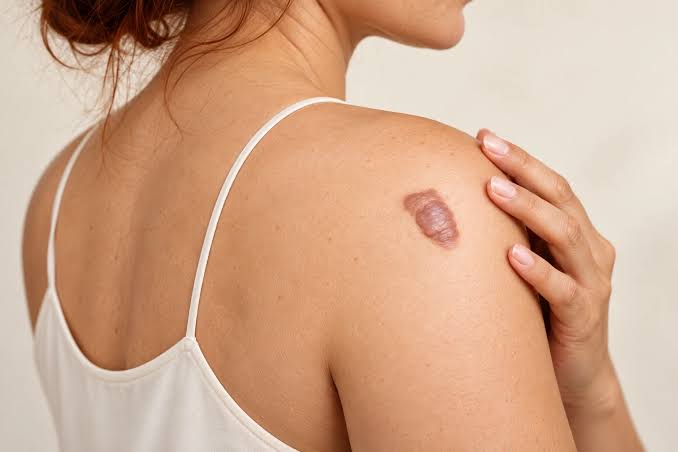
You got your ears pierced years ago. A few months later, a small bump appeared behind one lobe. It grew slowly, it itches, and you stopped wearing earrings to hide it. Maybe someone even cut it off, and it came back bigger.
That bump is a keloid. Here is the honest answer to the question everyone asks: keloid scars can’t always be removed for good, but they can be flattened, softened and kept under control. The key is the right treatment, and stopping regrowth early.1,2
What is a keloid, and why did I get one?
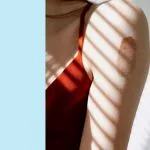
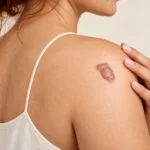
It’s a scar that doesn’t know when to stop. After a wound heals, the skin keeps making collagen, so the scar grows beyond the original injury. A normal raised scar stays inside the wound and often fades within a year or two. This one keeps spreading slowly, for months or years.3
Almost any skin injury can start one: a piercing, an acne spot, a surgery cut, a burn or a scratch.2 You are more likely to get them if:2,3
- you have brown or black skin, including South Asian skin;
- you’re between 10 and 30;
- a parent, brother or sister gets them (a third to a half of people with keloids have a relative who does);
- you’ve had a keloid before.
The good news: they’re harmless to your health. The problems are itch, tenderness and how they look.
Can keloid scars be removed permanently?
Not always, and anyone who promises a one-time cure isn’t telling you the full story. Cutting it off on its own is the classic mistake: nearly all of them grow back, often larger.1,2
What does work is a plan. Treatment shrinks the keloid, and aftercare keeps it down. Done this way, most become much flatter, softer and less itchy, and many people wear earrings again.
What really works?
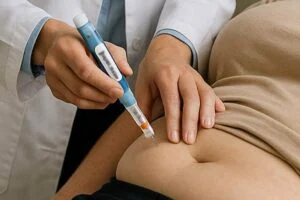
1. Steroid injections: the first choice
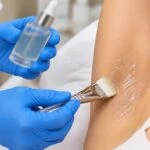
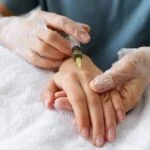
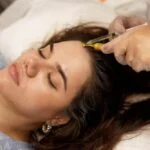
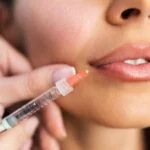
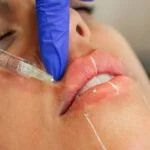
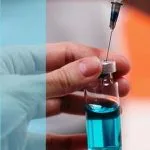
A doctor injects a steroid into the scar with a very fine needle, usually every few weeks over several visits. Between 50% and 80% of keloids shrink after injections.1 Many people find the itch eases after the first one or two. A review of 108 studies backs injections with silicone as the first choice.4
Most people only feel a sting and some tenderness for a day. On brown skin, the injected spot can sometimes turn lighter, so your doctor adjusts the dose with care.1
2. Silicone gel or sheets at home
Silicone keeps the scar soft and flat. It’s worn every day for several months, and it’s also how people prone to keloids protect a new wound once it has scabbed.5 Never put it on an open wound.
3. Pressure earrings for earlobes
For earlobe keloids, a pressure earring after treatment helps stop regrowth. It works only if you wear it for at least 12 hours a day, ideally 20, for 4 to 6 months.5
4. Freezing or laser for stubborn keloids
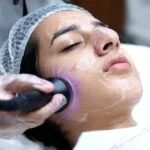
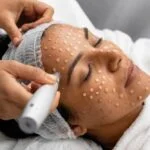
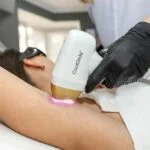
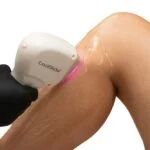
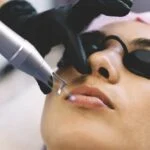
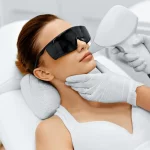
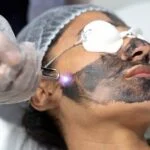
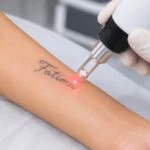
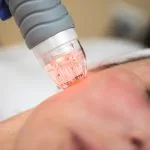
Freezing (cryotherapy) works best on small keloids. It can leave a lasting pale patch on brown skin, so doctors use it carefully.1 Laser can lower the height and fade the redness, and it’s usually combined with injections.1
Does home treatment work?
Silicone gel or sheets are the home treatment with real support, and they work best on new or small scars.4,5 There’s little good evidence that onion extract creams, garlic, lemon or other kitchen remedies can shrink an established keloid. If a keloid is growing, itching or hurting, it’s time for a doctor rather than another cream. For flat, dark marks left by healed pimples, which aren’t keloids, see our guide to acne scars treatment.
How can I stop a keloid from coming back?
- Act at the first sign. If a treated scar starts to thicken again, an early injection keeps it small and quick to treat.1
- Think twice about new piercings and tattoos. Dermatologists advise people prone to keloids to avoid them. If you do go ahead, try a small test spot first.5
- Tell your surgeon or dentist before any operation that you, or a close relative, get keloids.5
- Look after new wounds. Keep them clean and covered, then use silicone once they scab.5
- Treat acne early, because deep pimples can scar.2
- Protect healing scars from the sun with clothing or sunscreen.5
Questions people ask
Are keloid injections painful?
You’ll feel a sharp sting as the needle goes in, and the spot may be tender for a day or two. Keloids are dense, so the first injection can feel firmer than later ones as the scar softens.
How many injections will I need?
Usually several, a few weeks apart, until the scar is flat. Your doctor tells you the plan after seeing its size and place.
Can a keloid go away on its own?
Rarely. Unlike ordinary raised scars, keloids don’t tend to fade with time, so treating them earlier, while they’re smaller, is easier.3
Is a keloid dangerous?
No. It’s a harmless overgrowth of scar tissue. But a lump that grows fast, bleeds or looks unusual should always be checked by a doctor.
Ready to flatten it?
Our doctors offer keloid scar treatment with injections, silicone, freezing or laser, planned for your skin. Consultations are free at all 12 of our clinics, and you hear the price of the whole course before anything starts. You can ask for a female doctor, or see a skin specialist in Lahore. Have a question first? Message us on WhatsApp and we reply.
Medically reviewed by Dr Sadaf Saleem, Dermatologist, FCPS (Dermatology), PM&DC 62494-P; Dr Junaid Rabbani, Dermatologist, PM&DC 44510-S; and Dr Shegref Mushtaq, Dermatologist, FCPS (Dermatology), PM&DC 19827-N
- American Academy of Dermatology. Keloids: Diagnosis and treatment.
- NHS. Keloid scars.
- American Academy of Dermatology. Keloids: Overview.
- Walsh LA, et al. Keloid treatments: an evidence-based systematic review of recent advances. Syst Rev, 2023.
- American Academy of Dermatology. Keloids: Self-care.
Treatments in this article
Sessions, downtime and results for each, on its own page.
Related articles

Ready when you are
Book your free consultation
A doctor checks your skin, hair or body first. No obligation.











 Meet our 48 doctors
We usually reply within 15 minutes.