


































































































From Breakouts to Recovery: A Dermatologist’s Guide to Treating Acne Scars Effectively

“Your acne is gone… so why does your skin still remind you of it every day?”
For many people, the battle with acne doesn’t end when the last pimple disappears. Long after the breakouts have healed, acne scars can remain as a lasting reminder of years of inflammation, frustration, and self-consciousness.
You catch them in certain lighting. You notice them in photographs. Sometimes, they’re the first thing you see when you look in the mirror.
Acne scars can make skin appear uneven, textured, and aged beyond its years.
The good news? Modern dermatology has evolved far beyond traditional creams and home remedies. Today, advanced treatments such as Face PRGF, mesotherapy, microneedling, and regenerative therapies can stimulate collagen production, improve skin texture, and help the skin repair itself from within.
But not all acne scars are the same, and not all treatments work for everyone.
Let’s explore why acne scars form, the different types of scars, and the most effective dermatologist-approved treatments available today to help you move from breakouts to recovery and regain smoother, healthier-looking skin.
Why Do Acne Scars Form?
Think of your skin as a building under constant renovation.
When acne causes inflammation deep within the skin, it damages collagen and surrounding tissue. As your body works to repair the damage, it produces new collagen fibres. If too little collagen is produced, a depressed scar forms. If too much collagen develops, a raised scar may appear.
The severity of scarring often depends on:
- The intensity of acne inflammation
- How long does acne remain untreated
- Picking or squeezing pimples
- Genetics and skin type
- The body’s natural healing response
This is why two people with similar acne can have completely different outcomes once their breakouts resolve.
Why Skincare Alone Often Isn’t Enough?
One of the biggest misconceptions about acne scars is that they can be erased with topical products.
While skincare plays an important role in maintaining healthy skin, acne scars often lie beneath the surface. They involve structural changes in collagen and tissue architecture that creams simply cannot rebuild. This is where professional treatments become essential.
Face PRGF: Harnessing Your Body’s Natural Healing Power
Among the most exciting developments in aesthetic dermatology is Face PRGF (Plasma Rich in Growth Factors).
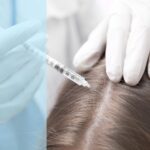
PRGF uses growth factors derived from your own blood to stimulate tissue regeneration and collagen production. These growth factors act as biological messengers, encouraging the skin to repair itself naturally.
Benefits of Face PRGF for Acne Scars: Stimulates collagen regeneration, improves skin texture and firmness, supports tissue repair, reduces downtime, uses the body’s own natural healing mechanisms, suitable for most skin types
Many dermatologists combine Face PRGF with microneedling to maximize penetration and enhance results.
Microneedling: Triggering Collagen From Within
Microneedling remains one of the most effective non-surgical treatments for acne scars. The procedure creates thousands of controlled microchannels in the skin, activating the body’s wound-healing response and encouraging fresh collagen formation. Best For: Rolling scars, mild to moderate boxcar scars, overall skin texture improvement
Benefits:
- Minimal downtime
- Safe for various skin types
- Gradual, natural-looking improvement
- Enhanced results when combined with PRGF
Mesotherapy: Nourishing Skin at a Cellular Level
Mesotherapy involves delivering customized blends of vitamins, amino acids, antioxidants, peptides, and hyaluronic acid directly into the skin. Although mesotherapy does not physically remove deep scars, it supports the healing environment needed for collagen regeneration and skin renewal.
Benefits of Mesotherapy
- Improved hydration
- Enhanced skin quality
- Better skin tone and radiance
- Increased collagen support
- Faster recovery following other treatments
Mesotherapy is often used as part of a comprehensive acne scar treatment plan.
Chemical Peels: Refining Surface Irregularities
Chemical peels help remove damaged surface layers while encouraging healthier skin turnover.
They are particularly useful for: Post-acne pigmentation, mild textural irregularities, dull skin, enlarged pores
Regular peels can complement deeper acne scar treatments and improve overall skin appearance.
Subcision: Releasing Tethered Scars
Many rolling scars are caused by fibrous bands pulling the skin downward. Subcision works by carefully releasing these bands beneath the skin.
Benefits:
- Immediate lifting effect
- Improved skin smoothness
- Excellent combination with PRGF
- Enhanced long-term collagen production
For rolling scars, subcision is often one of the most transformative treatments available.
Conclusion
Acne may be temporary, but the scars it leaves behind don’t have to be. Thanks to advances in regenerative dermatology, treatments at Cutera like Face PRGF, mesotherapy, microneedling, and subcision are helping patients achieve results that were once difficult to imagine.
With the right diagnosis, personalized treatment plan, and expert care, recovery is possible. The journey from breakouts to smoother, healthier-looking skin begins with understanding your scars and choosing treatments that work beneath the surface, where true healing happens.
Not sure which treatment is right for your acne scars? Book a FREE consultation with our skin experts today. We’ll assess your skin, identify your scar type, and create a customized treatment plan designed to help you achieve the best possible results.