





Clifton / DHA
Closest to you4.8(984)
3rd Floor, 4C, Khayaban-e-Tanzeem, Tauheed Commercial Area, DHA Phase-5
What concerns you?
Browse treatments
Lift, define and refresh, without surgery.
 Botox for jaw slimmingSlimmer jaw in 2–3 months
 Fillers for cheeks & jawStraight away, final at 2 weeks
 Lip fillersStraight away, settled at 2 weeksRussian lipsAt once; settled by 2 weeks
 Under-eye fillersStraight away, settled at 2 weeks
 Jawline contouringFiller at once; rest in 2–3 months
 Ultraformer HIFU contouringBuilds over 2–3 months
 Cheek & chin fillersAt once; settled in 1–2 weeks
 Non-surgical nose jobStraight away
 Double chin reductionGradually, full at 2–3 months
 Contouring thread liftNew shape straight away
Smoother, firmer skin that still looks like you.
 Botox for wrinklesIn 3–5 days, full at 2 weeks
 ProfhiloGlow in days, full at 8–12 weeksUltraformer HIFU faceliftGradually over 2–3 months
 Fillers for lost volumeStraight away, settled at 2 weeks
 Thermage FLXSome at once, more over 2–6 months
 SculptraBuilds over 2–3 months
 Salmon DNA (PDRN)Fresher skin in 1–2 weeks
 Microneedling RFBuilds over 3–6 months
 PRP for faceFresher skin within weeks
 Dark circle reductionHollows at once; tone over weeks
 Thread liftVisible lift straight away
 Jalupro skin boosterHydration after the first session
 Exosomes for skinGlow in days; firmer by 6 weeks
 Fractional radiofrequencyFull 3 months after the course
 Microneedling for anti-ageingBuilds over a few months
 TCA peel for anti-ageingOnce healed, in 1–2 weeks
 Glycolic acid peelBrighter skin after the 1st peel
 Ageing handsFillers straight away
Even out dark patches and bring back glow.
 Picosecond laserSpots fade over 2–4 weeks
 Infini RF for pigmentationBrighter in weeks; tone in months
 Glutathione peelFresher skin within days
 Glutathione dripsVaries: after a few sessions
 Freckles & pigmentationSpots lighten after 1–2 sessions
 BB Glow for even toneGlow straight after session 1
 Birthmark reductionLighter over weeks, per session
 Glycolic chemical peelLighter patches by the 3rd peel
 Microneedling for pigmentationFrom 4 weeks; clearer by 3 months
 PRP for pigmentationGradually across the course
 Carbon laser peel for spotsGlow same day; spots over weeks
 Hands & feet rejuvenationAfter 2–3 sessions
Calm breakouts and soften old scars.
 Microneedling for acne scarsGradually, most at 3–6 monthsMicroneedling RFBuilds over 3–6 months
 TCA peel for acne scarsVisible after 2–3 sessions
 Picosecond laser for acne scarsKeeps improving to 3–6 months
 Salicylic acid peelSmoother skin in about a week
 Carbon laser peel for poresBrighter skin straight awayFractional radiofrequencyFull 3 months after the course
 MesotherapyGradually over the course
 PRP for acne scarsBuilds over 3–6 months
 Keloid treatmentSofter after the first injections
Deep-cleansing facials for an instant glow.
 HydraFacialGlow straight after one session
 Diamond Glow facialSmoother skin straight away
 Deep collagen facialBuilds over the course
 PRGF facialGlow after the first session
 Carbon laser facialBrighter skin the same day
 Pumpkin & papaya peelA fresh glow the same day
 BB Glow facialDewy glow after the first visit
Smooth skin with Cutera CoolGlide.
 Full body laser hair removal10–25% less hair after session 1
 Face laser hair removalThinner hair after 2–3 sessions
 Underarm laser hair removalLess hair after 2–3 sessions
 Bikini laser hair removalSlower regrowth within weeksLeg laser hair removal10–25% less hair after visit 1
 Cutera CoolGlideShedding within weeksArm laser hair removalShedding within 2–3 weeks
 Back laser hair removalLighter back by session 3Laser hair removal for menClear drop after 2–3 sessions
 Laser hair removal in KarachiLess regrowth by session 3
 Laser hair removal in LahoreClear change after 2–3 sessions
Treatments for hair fall, thinning and an itchy, flaky scalp.
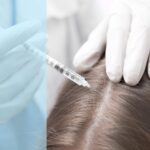 PRGF hair treatmentThicker hair from about 3 months
 PRP for hair lossLess shedding in 2–3 months
 Exosomes for hairFuller look over about 3 months
 Mesotherapy for hairAfter 3–4 sessions
 Scalp microneedlingFrom about 3 months
 PRP for men's hair lossThicker hair in 3–6 monthsHair threads for menJudge after 3–6 months
 Scalp threadsGradual, over 3–6 months
 Keravive scalp HydraFacialCleaner scalp after one session
 Scalp peelFresher scalp from the first visit
Shape and tighten, without surgery.
 CoolSculptingFrom 1–3 months, full at about 3EMSculptClearest 2–3 months after
 UltraShape waist slimmingFull about 10 weeks after course
 Ultraformer body HIFUBuilds over 2–3 months
 Lipolytic injectionClearest 2 months after course
 Cellulite reductionBuilds through the course
 Body radiofrequencyBuilds through the course
 Shock wave therapyFrom about 2 weeks into course
 Stretch marks reductionBuilds; full about 3 months on
 Man boobs reductionFrom 3 weeks; main at 2 months
Doctor-led weight-loss programmes.
 Mounjaro (tirzepatide)Gradually, over months
 Ozempic & WegovySlowly, across several months
 Slimming dripsAny lift within a day or so
 Lifestyle coachingAround 0.5–1 kg a week
Mole, wart, skin tag and tattoo removal, IV drips and treatments for men.
 Mole removalGone on the dayWart removalFalls off within 1–2 weeksSkin tag removalGone on the day or within 2 weeks
 Tattoo removalFades a little after each sessionKeloid treatmentSofter after the first injectionsIV vitamin dripsOver weeks, if you were low
 Sweat-free treatmentIn days; full at about 2 weeksLaser hair removal for menClear drop after 2–3 sessions
 HydraFacial for menCleaner, less oily skin at once
 Diamond Glow facial for menSmoother skin after one session
 Man boobs reductionMain change at about 2 monthsAcne & acne scarsFewer spots in 6–8 weeks

Is your hairline creeping back at the temples, or is your crown starting to show under bright light? PRP (platelet-rich plasma) is a scalp treatment that uses growth factors from your own blood to strengthen thinning hair, so it falls less and grows back thicker, with results building over three to six months.
Best for men with a receding hairline or a thinning crown, caught early.
| Receding temples | Fuller temples where hair still grows. |
|---|---|
| A thinning crown | Less scalp showing at the crown. |
| Early male-pattern thinning | Slower loss and denser hair. |
| Hair that looks finer each year | Stronger, fuller strands. |
In male-pattern hair loss, genes and hormones make hair roots shrink, so each new hair grows finer and shorter until the root stops. For PRP, a little of your blood is spun to concentrate its platelets, then placed in the thinning areas, where growth factors help those roots make stronger hair again.
In a trial in 20 men, three monthly sessions raised hair density by 45.9 hairs per square centimetre. Your doctor first confirms the cause, because thyroid problems, low iron or stress can look similar. PRP slows loss and builds thinning hair back up; it can’t regrow a fully bald area.
Scalp PRP isn’t suitable if you have a bleeding or platelet disorder, take blood-thinning medicine, are having cancer treatment, or have an infection or open sores on your scalp. Your doctor goes through this with you first, so you start with confidence.
Shedding eases within a few months, and thicker hair shows between three and six months as new growth cycles come through. In the trial in men, density rose after three monthly sessions; four of the 20 later needed retreatment, so regular top-ups keep you ahead.
Expect a tender or tight scalp for a day or two, with the odd small bruise. Most men head straight back to work.
Treatments often combined with Platelet Rich Plasma for Scalp.
Your price depends on how many sessions your hairline and crown need, and whether your doctor pairs PRP with another treatment. You get the full figure at a free consultation, before anything starts. Ask about the whole course of three sessions, not just one.
Yes, especially if you catch thinning early, while the roots still grow hair. In a trial, men gained real density after just three sessions, and top-ups keep it. If your real problem is dandruff or an oily scalp, a scalp peel is a better match.
Most men feel quick, sharp pricks rather than real pain, as the scalp is numbed first. In one study of 47 men having PRP, only four reported pain at the injection sites. The blood sample feels like any routine test.
Expect less hair in the drain within a few months and visibly thicker hair at three to six months. Each session builds on the last, as hair grows in slow cycles. Your doctor tracks the change with photos at every visit.
Male-pattern hair loss doesn’t switch off, so your gains need upkeep. In a two-year trial, four of 20 men saw hair loss return about a year after their last session. A session every three to six months keeps you ahead of it.
Yes. PRP comes from your own blood, so an allergic reaction is very unlikely. A sore, tight scalp and the odd bruise for a day or two are the usual effects, and reviews report no serious problems. It isn’t suitable with a platelet disorder.
Yes, while hair at the temples is still growing: PRP thickens it and slows the hairline’s retreat. Where the skin has turned smooth and shiny, the roots have usually stopped, and PRP can’t bring hair back there.
Yes, and it works even better. In a trial of 69 men, PRP alone beat minoxidil, and PRP with minoxidil beat either on its own. Your doctor may also discuss prescription tablets, explaining the possible side effects before you decide.
Probably not. Male-pattern thinning can begin in the late teens or early twenties, and men who start treatment soon after noticing it do better. Your doctor first confirms that it really is pattern hair loss.
Yes, it is the same treatment, made from your own blood. This page focuses on male-pattern thinning, while PRP for hair loss also covers heavy shedding and thinning in women. PRGF is a related option, prepared differently.
Not for bald areas, and we don’t offer hair transplants. PRP helps the hair you still have grow thicker and stay longer, while a transplant moves roots to places where none are left. Your doctor tells you clearly which fits your scalp.
Yes, with a little planning. Begin around five months before the wedding, so all three sessions are done and new growth has time to show. Keep a clear week after the last one while any tenderness settles.
Ready when you are
A doctor checks your skin and goals first. No obligation.











 Meet our 50 doctors
We usually reply within 15 minutes.
Open Mon–Sat, 11:30 AM – 9 PM
from 8,309 Google reviews
12 clinics in 7 cities
4.8(984)
3rd Floor, 4C, Khayaban-e-Tanzeem, Tauheed Commercial Area, DHA Phase-5
4.9(999)
503, Al-Khaleej Tower, Shaheed-e-Millat Rd, Bahadurabad
4.8(548)
Office No. 2, Mezzanine Floor, Farhan Tower, Block 20, Gulistan-e-Johar, Rashid Minhas Road
4.7(1,193)
10G, Finance & Trade Centre, Ayub Chowk, Johar Town
4.9(669)
Al Hafeez Heights, Gulberg III
4.9(528)
140 CCA, Phase 5, Commercial DHA
4.9(672)
2nd Floor, Avalon Plaza, Mall Road, Saddar
4.9(814)
Jaranwala Road, Kohinoor City
4.9(310)
Auto Bahn Road
4.9(198)
Aziz Bhati Shaheed Road, Sialkot Cantt
