





Clifton / DHA
Closest to you4.8(984)
3rd Floor, 4C, Khayaban-e-Tanzeem, Tauheed Commercial Area, DHA Phase-5
What concerns you?
Browse treatments
Lift, define and refresh, without surgery.
 Botox for jaw slimmingSlimmer jaw in 2–3 months
 Fillers for cheeks & jawStraight away, final at 2 weeks
 Lip fillersStraight away, settled at 2 weeksRussian lipsAt once; settled by 2 weeks
 Under-eye fillersStraight away, settled at 2 weeks
 Jawline contouringFiller at once; rest in 2–3 months
 Ultraformer HIFU contouringBuilds over 2–3 months
 Cheek & chin fillersAt once; settled in 1–2 weeks
 Non-surgical nose jobStraight away
 Double chin reductionGradually, full at 2–3 months
 Contouring thread liftNew shape straight away
Smoother, firmer skin that still looks like you.
 Botox for wrinklesIn 3–5 days, full at 2 weeks
 ProfhiloGlow in days, full at 8–12 weeksUltraformer HIFU faceliftGradually over 2–3 months
 Fillers for lost volumeStraight away, settled at 2 weeks
 Thermage FLXSome at once, more over 2–6 months
 SculptraBuilds over 2–3 months
 Salmon DNA (PDRN)Fresher skin in 1–2 weeks
 Microneedling RFBuilds over 3–6 months
 PRP for faceFresher skin within weeks
 Dark circle reductionHollows at once; tone over weeks
 Thread liftVisible lift straight away
 Jalupro skin boosterHydration after the first session
 Exosomes for skinGlow in days; firmer by 6 weeks
 Fractional radiofrequencyFull 3 months after the course
 Microneedling for anti-ageingBuilds over a few months
 TCA peel for anti-ageingOnce healed, in 1–2 weeks
 Glycolic acid peelBrighter skin after the 1st peel
 Ageing handsFillers straight away
Even out dark patches and bring back glow.
 Picosecond laserSpots fade over 2–4 weeks
 Infini RF for pigmentationBrighter in weeks; tone in months
 Glutathione peelFresher skin within days
 Glutathione dripsVaries: after a few sessions
 Freckles & pigmentationSpots lighten after 1–2 sessions
 BB Glow for even toneGlow straight after session 1
 Birthmark reductionLighter over weeks, per session
 Glycolic chemical peelLighter patches by the 3rd peel
 Microneedling for pigmentationFrom 4 weeks; clearer by 3 months
 PRP for pigmentationGradually across the course
 Carbon laser peel for spotsGlow same day; spots over weeks
 Hands & feet rejuvenationAfter 2–3 sessions
Calm breakouts and soften old scars.
 Microneedling for acne scarsGradually, most at 3–6 monthsMicroneedling RFBuilds over 3–6 months
 TCA peel for acne scarsVisible after 2–3 sessions
 Picosecond laser for acne scarsKeeps improving to 3–6 months
 Salicylic acid peelSmoother skin in about a week
 Carbon laser peel for poresBrighter skin straight awayFractional radiofrequencyFull 3 months after the course
 MesotherapyGradually over the course
 PRP for acne scarsBuilds over 3–6 months
 Keloid treatmentSofter after the first injections
Deep-cleansing facials for an instant glow.
 HydraFacialGlow straight after one session
 Diamond Glow facialSmoother skin straight away
 Deep collagen facialBuilds over the course
 PRGF facialGlow after the first session
 Carbon laser facialBrighter skin the same day
 Pumpkin & papaya peelA fresh glow the same day
 BB Glow facialDewy glow after the first visit
Smooth skin with Cutera CoolGlide.
 Full body laser hair removal10–25% less hair after session 1
 Face laser hair removalThinner hair after 2–3 sessions
 Underarm laser hair removalLess hair after 2–3 sessions
 Bikini laser hair removalSlower regrowth within weeksLeg laser hair removal10–25% less hair after visit 1
 Cutera CoolGlideShedding within weeksArm laser hair removalShedding within 2–3 weeks
 Back laser hair removalLighter back by session 3Laser hair removal for menClear drop after 2–3 sessions
 Laser hair removal in KarachiLess regrowth by session 3
 Laser hair removal in LahoreClear change after 2–3 sessions
Treatments for hair fall, thinning and an itchy, flaky scalp.
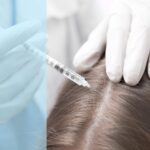 PRGF hair treatmentThicker hair from about 3 months
 PRP for hair lossLess shedding in 2–3 months
 Exosomes for hairFuller look over about 3 months
 Mesotherapy for hairAfter 3–4 sessions
 Scalp microneedlingFrom about 3 months
 PRP for men's hair lossThicker hair in 3–6 monthsHair threads for menJudge after 3–6 months
 Scalp threadsGradual, over 3–6 months
 Keravive scalp HydraFacialCleaner scalp after one session
 Scalp peelFresher scalp from the first visit
Shape and tighten, without surgery.
 CoolSculptingFrom 1–3 months, full at about 3EMSculptClearest 2–3 months after
 UltraShape waist slimmingFull about 10 weeks after course
 Ultraformer body HIFUBuilds over 2–3 months
 Lipolytic injectionClearest 2 months after course
 Cellulite reductionBuilds through the course
 Body radiofrequencyBuilds through the course
 Shock wave therapyFrom about 2 weeks into course
 Stretch marks reductionBuilds; full about 3 months on
 Man boobs reductionFrom 3 weeks; main at 2 months
Doctor-led weight-loss programmes.
 Mounjaro (tirzepatide)Gradually, over months
 Ozempic & WegovySlowly, across several months
 Slimming dripsAny lift within a day or so
 Lifestyle coachingAround 0.5–1 kg a week
Mole, wart, skin tag and tattoo removal, IV drips and treatments for men.
 Mole removalGone on the dayWart removalFalls off within 1–2 weeksSkin tag removalGone on the day or within 2 weeks
 Tattoo removalFades a little after each sessionKeloid treatmentSofter after the first injectionsIV vitamin dripsOver weeks, if you were low
 Sweat-free treatmentIn days; full at about 2 weeksLaser hair removal for menClear drop after 2–3 sessions
 HydraFacial for menCleaner, less oily skin at once
 Diamond Glow facial for menSmoother skin after one session
 Man boobs reductionMain change at about 2 monthsAcne & acne scarsFewer spots in 6–8 weeks

Has melasma or blotchy, uneven colour stayed put despite creams and careful sunscreen? PRP for pigmentation is a treatment made from your own blood: platelets are concentrated from a small sample and placed into the darker patches, where their growth factors help even out your tone over a short course.
Best for melasma and stubborn, patchy pigmentation that creams have not shifted.
| Melasma on the cheeks or forehead | Lighter, softer patches over a course. |
|---|---|
| Blotchy, uneven colour | A calmer, more even-looking tone. |
| Pigment that creams haven’t shifted | A fresh boost when creams have stalled. |
| Dull, sun-tired skin | Brighter-looking skin as it renews. |
Your doctor draws 2 to 4 tablespoons of blood and spins it until a platelet-rich layer separates. This plasma is placed into the patches with tiny injections, or spread over fine microneedling channels so it soaks in evenly.
Platelets release growth factors, and one of them, TGF-β1, has been shown to slow melanin production. A review of 10 studies with 395 adults found melasma scores fell after PRP, and PRP given with microneedling was rated highest by patients.
PRP is not advised while pregnant or breastfeeding, with a blood or platelet disorder, blood cancer, hepatitis C or HIV, if you take blood thinners, or with skin cancer or infection where the patches are.
Patches fade steadily over the course, and the effect can keep building for weeks after your last session. Sun, heat and hormones can darken patches again, so daily sunscreen protects your result.
Small bumps, redness or bruises at the injection points settle within 24–48 hours, and most people return to work the same or next day.
Treatments often combined with Platelet Rich Plasma.
It depends on how widespread your patches are, how many sessions you need and whether microneedling is added. You get an exact quote, covering every session, at your free consultation, before any treatment starts.
Yes, if creams and sunscreen alone have stalled: in studies, melasma scores fell after PRP, and it is made from your own blood. It suits melasma more than freckles or sun spots, which often clear faster with picosecond laser.
Only slightly. After numbing cream, you feel quick pricks with a short sting as the plasma goes in. The blood draw is just like a routine test.
Patches lighten steadily through the course, and the change carries on after it. Dermatologists say melasma treatment generally takes three to twelve months, so a steady plan pays off.
Studies followed patients for a few months, so long-term data are still to come. Melasma is a long-term condition, so daily sun protection and top-up sessions when needed keep your skin even.
Reviews report only mild, short-lived effects such as redness, swelling, small bruises and occasional temporary darkening, with no serious problems. Safety depends on sterile blood handling, so it should only be done by a doctor.
They work well together. Microneedling for pigmentation carries a brightening serum into the skin, while PRP adds your own growth factors. In one review, PRP given through microneedling was rated highest by patients.
No. PRP aims to fade darker patches so they blend with the rest of your face. It does not change your natural skin colour, and we will never promise that it does.
Yes, often. Studies combined PRP with prescribed tablets or creams, and dermatologists also add peels, such as a glycolic peel, for stubborn patches. Your doctor decides which combination is safe for you.
The preparation is identical, but the aim differs. Here the plasma goes into the pigmented patches, while face PRP treats dullness and fine lines across the whole face.
Wait until you have finished breastfeeding. Pregnancy melasma can fade by itself after the birth, so your doctor may first see what settles, then treat what is left.
Yes, with time. Start four months before, since pigment fades over months. Plan the final session two weeks ahead so any bruising has gone, and protect your skin during outdoor functions.
Ready when you are
A doctor checks your skin and goals first. No obligation.








 Meet our 50 doctors
We usually reply within 15 minutes.
Open Mon–Sat, 11:30 AM – 9 PM
from 8,309 Google reviews
12 clinics in 7 cities
4.8(984)
3rd Floor, 4C, Khayaban-e-Tanzeem, Tauheed Commercial Area, DHA Phase-5
4.9(999)
503, Al-Khaleej Tower, Shaheed-e-Millat Rd, Bahadurabad
4.8(548)
Office No. 2, Mezzanine Floor, Farhan Tower, Block 20, Gulistan-e-Johar, Rashid Minhas Road
4.7(1,193)
10G, Finance & Trade Centre, Ayub Chowk, Johar Town
4.9(669)
Al Hafeez Heights, Gulberg III
4.9(528)
140 CCA, Phase 5, Commercial DHA
4.9(672)
2nd Floor, Avalon Plaza, Mall Road, Saddar
4.9(814)
Jaranwala Road, Kohinoor City
4.9(310)
Auto Bahn Road
4.9(198)
Aziz Bhati Shaheed Road, Sialkot Cantt
