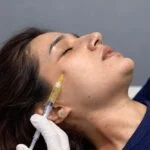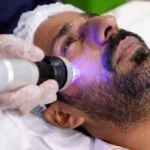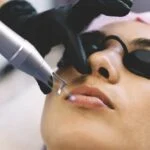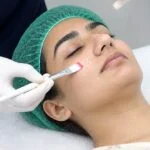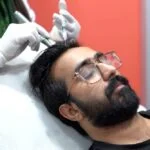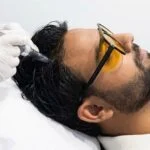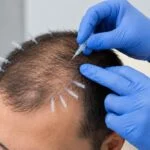
What is pico laser and how does it work?
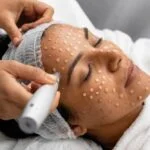
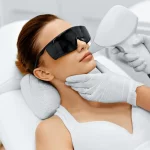
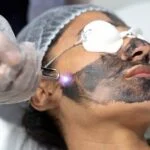
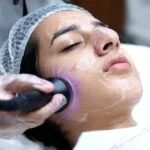
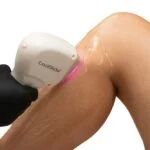
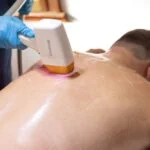
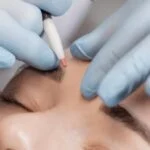
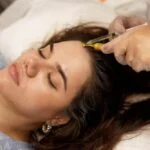
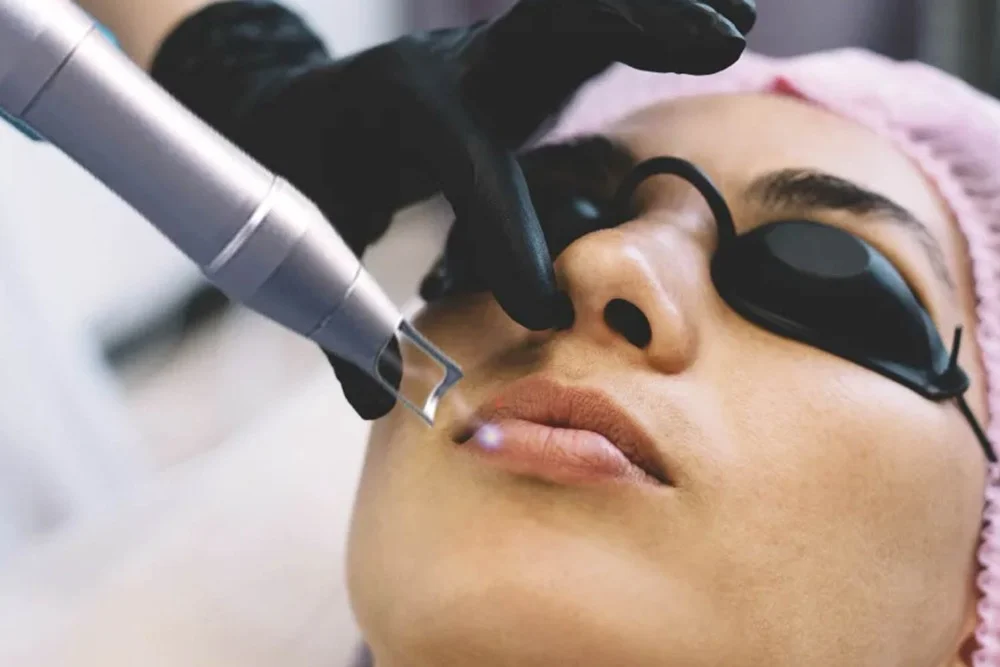
Pico laser is short for picosecond laser: a skin laser whose pulses last a few trillionths of a second. Because each pulse is so short, it breaks pigment apart with a quick pressure wave rather than heat, so the skin around it stays cooler, which matters for brown skin that darkens easily after heat. Your body then clears the fragments over the following weeks. It reaches brown pigment both near the surface and deeper in the skin, so one laser treats many kinds of pigmentation, set by your doctor for your skin tone.
Pico laser benefits
- Precise: targets each spot and leaves the skin around it alone.
- Kinder to brown skin: less heat than older lasers, so less risk of dark marks.
- Quick visits: about 10 minutes for the lips and 30 for the full face.
- Little downtime: most people are back at work the same or next day.
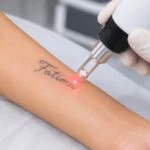
- One laser, many concerns: spots, freckles, melasma, dark lips and tattoos.
- Steady progress: pigment looks lighter after each session of your course.
Pico laser for hyperpigmentation and melasma
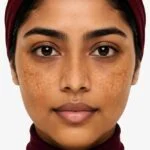
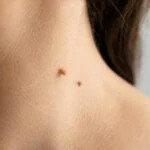
Hyperpigmentation simply means patches of skin darker than the rest: sun spots, freckles, marks left by acne, dark lips and melasma. Pico laser lifts the first ones well, often within a few sessions, and it lightens dark lips too: in a study of 20 people given five sessions two weeks apart, 7 in 10 rated their lips moderately to markedly better six months later. Melasma is different, because sun, heat and hormones drive it, so your doctor uses gentle, low-energy settings with daily sunscreen and prescribed creams, and plans upkeep, as it often returns. See our guide to melasma treatment.
Pico laser before and after
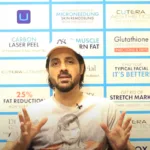
Treated spots usually turn darker for a few days, then flake away within about two weeks, leaving lighter skin; pigment looks lighter after every session, with the full result at the end of your course. In a split-face study of sun spots, one pico laser session cleared more pigment than an older Q-switched laser, and fewer treated sides developed dark marks afterwards (5% versus 30%). Our patients share their own results in the videos below.
Pico laser price in Pakistan
Pico laser for the full face costs about Rs 12,000 a session in a course of 3, or Rs 14,995 for a single session. Smaller areas cost less: the lips are Rs 3,995 a session, or about Rs 3,200 a session in a course of 3, the underarms Rs 7,995 and the full neck Rs 8,995. Prices are the same at all 12 of our clinics.
Full face Save Rs 8,997
For pigmentation, sun spots, freckles and melasma. From about Rs 12,000 a session in a course of 3; single session Rs 14,995
Rs 44,985 Rs 35,988 for 3 sessions
Full back Save Rs 11,997
For marks and pigmentation on the back. From about Rs 16,000 a session in a course of 3; single session Rs 19,995
Rs 59,985 Rs 47,988 for 3 sessions
Underarms Save Rs 4,797
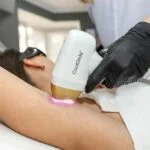
For dark underarms. From about Rs 6,400 a session in a course of 3; single session Rs 7,995
Rs 23,985 Rs 19,188 for 3 sessions
Lips Save Rs 2,397
For dark lips, in about 10 minutes. From about Rs 3,200 a session in a course of 3; single session Rs 3,995
Rs 11,985 Rs 9,588 for 3 sessions
Upper lip and chin
For darkness around the mouth
Rs 6,995 per session
Full neck
Front or back of the neck, for a dark neck
Rs 8,995 per session
Free consultation first · Any current offer is explained at the clinic
Who shouldn’t have pico laser?
Pico laser should wait if you are pregnant, have a fresh tan or sunburn, an infection or cold sore on the area, or a mole that hasn’t been checked. Tell your doctor if you have recently taken isotretinoin or use medicines that make skin sun-sensitive. Darker skin, or skin that darkens easily after injury, is treated with gentler settings, often after a test patch.
Your pico laser treatment, step by step
- Free consultation: your doctor examines your pigment, checks any moles and sets the laser for your skin tone.
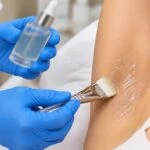
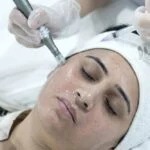
- Preparation: the skin is cleansed, then numbing cream goes on for comfort.
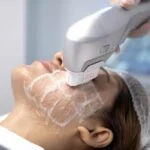
- Treatment: quick laser pulses across the area, taking 10–30 minutes.
- Course: usually 3–5 sessions, about 4 weeks apart.
- Upkeep: daily sunscreen, and a top-up if new spots or melasma appear.
Results and recovery
Redness and mild swelling usually settle within a few hours to two days, so most people are back at work the same or next day. Treated spots darken briefly, flake away and keep fading for a few weeks after each session. Cleared sun spots and freckles stay away with sun protection, though the sun can bring new ones and melasma commonly returns. Temporary darker or lighter patches can happen, more often in darker skin, which is why your doctor tunes the settings.
Aftercare
- Wear SPF 30+ sunscreen every day
- Don’t pick or scrub flaking spots
- No make-up for 24 hours
- Skip the gym, sauna and steam for 2 days
Why choose Cutera Aesthetics
- Doctor-led: your pico laser treatment is assessed, planned and performed by our qualified doctors.
- Free consultation: an honest assessment and a clear plan before you commit to anything.
- Pico laser near you: at all 12 clinics in 7 cities, at the same price. Find your nearest clinic.
Sources
- Kasai K. Picosecond laser treatment for tattoos and benign cutaneous pigmented lesions (secondary publication). Laser Therapy, 2017; 26(4): 274–81.
- Kim JY, et al. A split-face, single-blinded, randomized controlled comparison of 532 nm picosecond Nd:YAG laser versus 532 nm Q-switched Nd:YAG laser in the treatment of solar lentigines. Annals of Dermatology, 2020; 32(1): 8–13.
- Koh YP, et al. Treatment of laser-responsive dermal pigmentary conditions in type III–IV Asian skin with a 755-nm picosecond pulse duration laser: a retrospective review of its efficacy and safety. Dermatologic Surgery, 2020; 46(11): e82–e87.
- Ng JNC, Manuskiatti W, Apinuntham C, Yan C. The efficacy and safety of a 755-nm picosecond laser in the treatment of physiologic lip hyperpigmentation in Thai patients. Dermatologic Surgery, 2022; 48(11): 1210–14.
- Trivedi MK, Yang FC, Cho BK. A review of laser and light therapy in melasma. International Journal of Women’s Dermatology, 2017; 3(1): 11–20.
- American Academy of Dermatology. Melasma: diagnosis and treatment. Why sun protection and creams come first.
Our doctors’ guide to melasma treatment