

















Clifton / DHA
Closest to you4.8(1,033)
3rd Floor, 4C, Khayaban-e-Tanzeem, Tauheed Commercial Area, DHA Phase-5
What concerns you?
Browse treatments
Lift, define and refresh, without surgery.
 Botox for jaw slimmingSlimmer jaw in 2–3 months
 Lip fillersStraight away, settled at 2 weeks
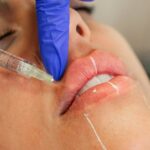 Russian lipsAt once; settled by 2 weeks
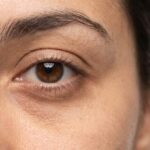 Under-eye fillersStraight away, settled at 2 weeks
 Jawline contouringFiller at once; rest in 2–3 months
 HIFU for double chin & jawlineBuilds over 2–3 months
 Cheek & chin fillersAt once; settled in 1–2 weeks
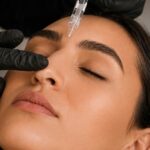 Non-surgical nose jobStraight away
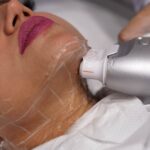 Double chin reductionGradually, full at 2–3 months
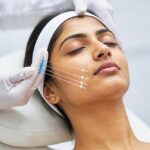 Thread liftVisible lift straight away
Smoother, firmer skin that still looks like you.
 Botox for wrinklesIn 3–5 days, full at 2 weeks
 ProfhiloGlow in days, full at 8–12 weeks
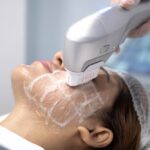 Ultraformer HIFU faceliftGradually over 2–3 months
 Fillers for lost volumeStraight away, settled at 2 weeks
 Radiofrequency skin tighteningBuilds over 2–6 months
 SculptraBuilds over 2–3 months
 Salmon DNA (PDRN)Fresher skin in 1–2 weeks
 Microneedling RFBuilds over 3–6 months
 PRP for faceFresher skin within weeks
 Dark circle reductionHollows at once; tone over weeksThread liftVisible lift straight away
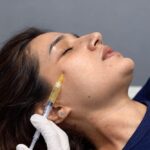 Jalupro skin boosterHydration after the first session
 Exosomes for skinGlow in days; firmer by 6 weeks
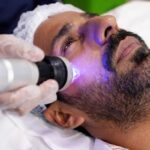 Fractional radiofrequencyFull 3 months after the course
 MicroneedlingBuilds over a few months
 TCA peelOnce healed, in 1–2 weeks
 Glycolic acid peelBrighter skin after the 1st peel
 Ageing handsFillers straight away
Even out dark patches and bring back glow.
 Picosecond laserSpots fade over 2–4 weeksMicroneedling RFBuilds over 3–6 months
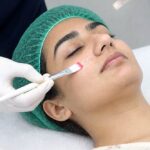 Glutathione peelFresher skin within days
 Glutathione dripsBrighter after a few sessions
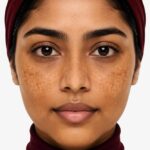 Freckles & pigmentationSpots lighten after 1–2 sessions
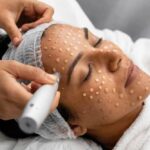 BB Glow for even toneGlow straight after session 1
 Birthmark reductionLighter over weeks, per sessionGlycolic acid peelBrighter skin after the 1st peelMicroneedlingBuilds over a few monthsPRP for faceFresher skin within weeks
 Carbon laser peelBrighter skin straight away
 Hands & feet rejuvenationAfter 2–3 sessions
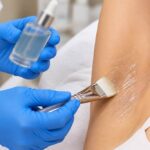 Underarm whiteningLighter by the 2nd or 3rd session
Calm breakouts and soften old scars.
MicroneedlingBuilds over a few monthsMicroneedling RFBuilds over 3–6 monthsTCA peelOnce healed, in 1–2 weeks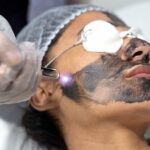 Picosecond laser for acne scarsKeeps improving to 3–6 months
 Salicylic acid peelSmoother skin in about a weekCarbon laser peel for poresBrighter skin straight awayFractional radiofrequencyFull 3 months after the course
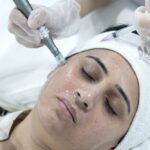 MesotherapyGradually over the coursePRP for faceFresher skin within weeks
 Keloid treatmentSofter after the first injections
Deep-cleansing facials for an instant glow.
 HydraFacialGlow straight after one session
 Diamond Glow facialSmoother skin straight away
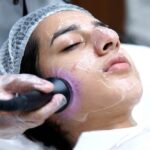 Deep collagen facialBuilds over the course
 PRGF facialGlow after the first sessionCarbon laser peelBrighter skin straight away
 Pumpkin and papaya peelBrighter skin the same dayBB Glow facialGlow straight after session 1
 Red Carpet FacialGlowing skin straight away
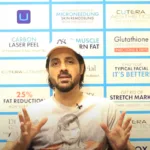 HD Glow FacialA fresh glow after the first visit
Smooth skin with Cutera CoolGlide.
 Full body laser hair removal10–25% less hair after session 1
 Face laser hair removalThinner hair after 2–3 sessions
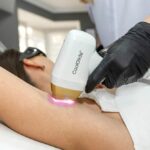 Underarm laser hair removalLess hair after 2–3 sessions
 Bikini laser hair removalSlower regrowth within weeks
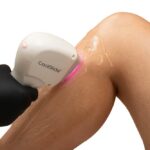 Leg laser hair removal10–25% less hair after visit 1
 Cutera CoolGlideShedding within weeks
 Arm laser hair removalShedding within 2–3 weeks
 Back laser hair removalLighter back by session 3
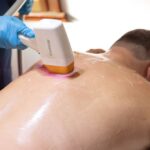 Laser hair removal for menClear drop after 2–3 sessions
Treatments for hair fall, thinning and an itchy, flaky scalp.
 PRGF hair treatmentThicker hair from about 3 months
 PRP for hair lossLess shedding in 2–3 months
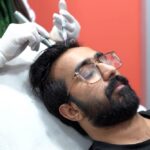 Exosomes for hairFuller look over about 3 months
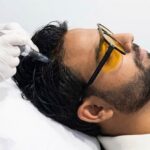 Mesotherapy for hairAfter 3–4 sessions
 Scalp microneedlingFrom about 3 months
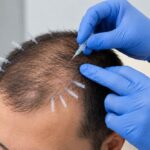 Scalp threadsGradual, over 3–6 months
 Keravive scalp HydraFacialCleaner scalp after one session
 Scalp peelFresher scalp from the first visit
Shape and tighten, without surgery.
 CoolSculptingFrom 1–3 months, full at about 3
 EMSculptClearest 2–3 months after
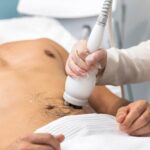 UltraShapeBuilds over about 10 weeks
 Ultraformer body HIFUBuilds over 2–3 months
 Lipolytic injectionClearest 2 months after course
 Cellulite reductionBuilds through the course
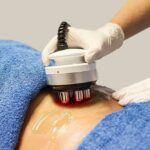 Body radiofrequencyBuilds through the course
 Shock wave therapyFrom about 2 weeks into course
 Stretch marks reductionBuilds; full about 3 months on
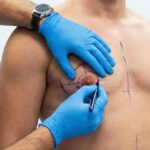 Man boobs reductionFrom 3 weeks; main at 2 months
Doctor-led weight-loss programmes.
 Mounjaro (tirzepatide)Gradually, over months
 Ozempic & WegovySlowly, across several months
 Slimming dripsAny lift within a day or so
 Lifestyle coachingAround 0.5–1 kg a week
Mole, wart, skin tag and tattoo removal, IV drips and treatments for men.
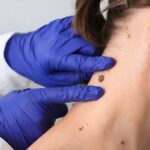 Mole removalGone on the day
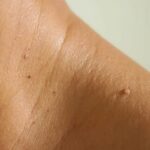 Wart removalFalls off within 1–2 weeks
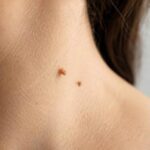 Skin tag removalGone on the day or within 2 weeks
 Tattoo removalFades a little after each sessionKeloid treatmentSofter after the first injections
 IV vitamin dripsOver weeks, if you were low
 Sweat-free treatmentIn days; full at about 2 weeksLaser hair removal for menClear drop after 2–3 sessions
 HydraFacial for menCleaner, less oily skin at onceDiamond Glow facialSmoother skin straight awayMan boobs reductionFrom 3 weeks; main at 2 monthsAcne & acne scarsFewer spots in 6–8 weeks

Do people often ask if you’re tired, even after a good night’s sleep? Dark circle reduction is a doctor-led plan that first finds the cause of your dark circles, such as pigment, hollows, thin skin or visible veins, then matches the treatment to it, so the under-eye area looks brighter and more rested.
Best for brown under-eye pigment, hollows and thin, tired-looking under-eye skin.
| Brown pigment under the eyes | A lighter, more even under-eye tone. |
|---|---|
| Hollows (tear troughs) that cast shadows | Smoother under-eyes with far fewer shadows. |
| Thin skin with visible veins | Stronger, healthier skin that hides veins better. |
| A tired look that sleep doesn’t fix | Brighter, wide-awake eyes. |
Dark circles are not one problem. Reviews describe four main types: brown pigment, often inherited or left by allergies and eye-rubbing; blue or purple veins showing through thin skin; shadows from hollows under the eyes; and a mix of these. Poor sleep and ageing make all of them look worse.
So your treatment targets the cause. Pigment fades with gentle peels and a picosecond laser; hollows lift with under-eye fillers; thin, tired skin is strengthened with mesotherapy or PRP. Most plans combine two for brighter, more rested eyes.
It isn’t suitable during pregnancy or breastfeeding, or with an eye or skin infection in the area. Darkening or swelling under just one eye that keeps getting worse needs a medical check first, and large under-eye bags may need a surgeon’s opinion.
Fillers lift shadows straight away, so you leave looking more rested. Pigment and skin quality brighten steadily over a course of 3–4 sessions, revealing fresher, more even under-eyes. Even inherited dark circles can be noticeably softened.
Mild swelling, redness or a small bruise under the eyes is common for a few days. Pigment can slowly return, so daily sunscreen and occasional top-ups help keep results.
Treatments often combined with Dark Circle Reduction.
It depends on the cause of your dark circles, the treatment chosen and how many sessions you need. Your doctor confirms the price at your free consultation, before anything is done. Many people need a course, so ask for the price of the whole course.
Yes. Once the cause is found, the right treatment can make a real difference, and people often say they look years fresher. If hollows are the main cause, under-eye fillers give the quickest change; large puffy bags may need a surgeon instead.
Most people find it very manageable. Numbing cream is applied first, and the needles used under the eyes are very fine. You may feel small pinches and some pressure for a few minutes.
Fillers soften hollows on the day, and the result settles once any swelling fades within a few days. Mesotherapy, PRP and peels work gradually, with a brighter look building over several weeks and the full result after the course.
Under-eye fillers often last many months. Brighter pigment and stronger skin last well with daily sunscreen, and a top-up session now and then keeps your eyes looking fresh.
Yes, when a trained doctor treats the delicate under-eye area. Expect mild swelling, redness or a small bruise for a few days. Fillers carry rare risks such as lumps or a bluish tinge, which is why careful technique matters. It isn’t done in pregnancy.
Several things, often together: genetics, brown pigment, allergies and eye-rubbing, thin skin that shows the veins beneath, hollows that cast shadows with age, and poor sleep. Finding which ones apply to you is the first step.
Sleep, a cold compress, an extra pillow and allergy control can help a little, and sunscreen stops pigment getting darker. Creams with ingredients such as retinoids or caffeine may improve some types slowly, but hollows need a different approach.
They treat different causes. Under-eye fillers lift hollows that cast shadows. Mesotherapy and PRP strengthen thin, tired skin and even out colour over a course; in a PRP study, under-eye tone became noticeably more even. Your doctor matches the mix to you.
Yes, for brown pigment. A picosecond laser breaks up the pigment and lightens it over several sessions, using gentle settings that suit brown skin. Gentle peels and mesotherapy can boost the result. For hollows, fillers work better.
They can help thin, fine-lined under-eye skin look stronger and smoother over a short course. Polynucleotides suit people whose skin, not hollows, is the main issue. Research is still growing, so your doctor sets realistic goals.
Yes, but start early. Begin three to four months before the day, so a course can finish and results can build. If you are having fillers, have them at least four weeks before, so any swelling or bruising has gone.
Ready when you are
A doctor checks your skin and goals first. No obligation.











 Meet our 46 doctors
We usually reply within 15 minutes.
Open Mon–Sat, 11:30 AM – 9 PM
from 8,928 Google reviews
12 clinics in 7 cities
4.8(1,033)
3rd Floor, 4C, Khayaban-e-Tanzeem, Tauheed Commercial Area, DHA Phase-5
4.9(1,115)
Suite 503, 5th Floor, Al-Khaleej Tower, Shaheed-e-Millat Rd, Bahadurabad
4.8(629)
Office No. 2, Mezzanine Floor, Farhan Tower, Block 20, Gulistan-e-Johar, Rashid Minhas Road
4.6(1,243)
10G, Finance & Trade Centre, Ayub Chowk, Johar Town
4.9(695)
Ground Floor, Al-Hafeez Heights, Block D1, Gulberg III
4.9(555)
140 CCA, Phase 5, Commercial DHA
4.9(867)
Union Gold Mall, Jinnah Super Market, Markaz, F-7
4.9(626)
Office No.1, 3rd Floor, The Arc, I-8 Markaz
4.9(720)
2nd Floor, Avalon Plaza, Mall Road, Saddar
4.9(876)
Jaranwala Road, Kohinoor City
4.9(342)
Auto Bahn Road
4.9(227)
Aziz Bhati Shaheed Road, Sialkot Cantt