Preventative Botox: Should You Start in Your 20s?
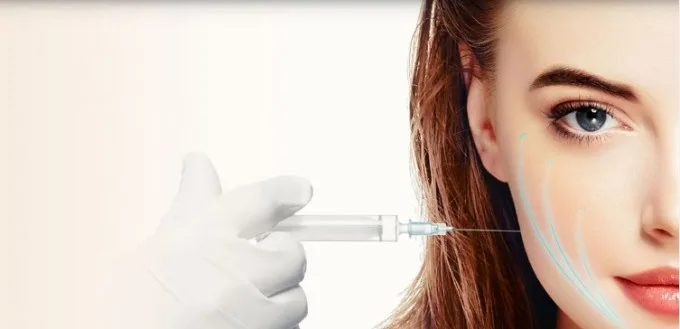
You don’t have to start Botox in your 20s. Your starting age depends on your skin and how your face moves, and we found no trial testing prevention in young people with no lines. If a line is starting to stay when your face is at rest, ask a doctor whether treatment makes sense now.1,2
What does preventative Botox mean?
Expression lines come from using the same muscles over and over. After many years of repeated tensing, those lines can stay even when your face is still.3 Botox relaxes the small muscles that crease the skin. The idea behind prevention is simple: if those muscles work less for years, the lines may be slower to set in.
That idea makes sense, and the evidence for it is early. The product label covers adults with moderate to severe lines, so the trials behind it were in people who already had them.4 Using it before lines appear is a choice to make with your doctor.
What does the evidence show?
The study most often quoted followed one pair of identical twins. After 13 years, the twin treated regularly had no visible etched forehead or frown lines at rest, and her sister did. Untreated areas aged about the same in both.1 That is encouraging, though it’s only two people.
A 2025 systematic review searched for wider evidence and included 9 studies. The authors called preventive use promising, and they also said long-term safety isn’t established and longer studies are needed. They didn’t recommend a starting age, and advised plans based on each person’s age, skin and goals.2
Long-term use itself looks reassuring. In 50 people treated for an average of 15 years, researchers saw no treatment failure or shorter results, though the lead author works with toxin manufacturers and the abstract doesn’t give starting ages.5
Will starting early mean less Botox later?
We can’t promise that. We found no study showing that starting young means fewer treatments or lower costs overall. The American Academy of Dermatology says muscles may thin with repeat treatment, which can make results last longer.6
Keep the practical side in mind too. The effect lasts about 3 to 4 months, so staying smooth means repeat visits.4 Starting at 25 could mean many years of top-ups. You can stop at any time, and your lines then return as the effect wears off.
How do I know if it’s worth asking about?
- Lines only show when you move. You may not need it yet, so ask your doctor.
- A line stays when your face is at rest, even faintly, between the brows or across the forehead. This is the time to have a doctor look.
- You frown or raise your brows hard and often. Mention it. Your doctor will watch how your face moves before suggesting anything.
- You’re pregnant or breastfeeding. Wait. Our doctors don’t treat during this time, and the label reports no adequate data on the risk in pregnancy.4
- You’re under 18. Its safety and effectiveness haven’t been established in this age group, and cosmetic use isn’t for you.4
What can I do first?
You can do a lot without a needle. In a randomized trial of 903 adults under 55, the people who used sunscreen every day showed 24% less skin ageing over about 4.5 years than those who used it when they chose to.7 The American Academy of Dermatology also advises avoiding tanning, stopping smoking, cleansing gently and moisturising daily.3 Our guide to skin care in your 20s puts these in order.
What are the risks at a young age?
The label lists the side effects to know about, including a droopy eyelid in about 3% of people treated for frown lines and headache in about 9% treated for forehead lines.4 In crow’s feet trials, 1.5% formed antibodies to the toxin, and none formed the type that blocks it.4
The review’s authors also raise a softer point: treating people with no wrinkles can come from social pressure, and young patients should think about that.2 Having no lines is a perfectly good reason to wait. Our article Is Botox safe? covers the side effects and the danger of fake products.
What should I do next?
Our Botox page explains what each area involves and the two brands we offer. Consultations for Botox are free at all 12 of our clinics, you can ask for a female doctor, and your doctor can tell you if it’s too soon. Thinking about it? See what to expect for Botox in Karachi and Botox in Rawalpindi.
Medically reviewed by Dr Sadaf Saleem, Dermatologist, FCPS (Dermatology), PM&DC 62494-P; Dr Junaid Rabbani, Dermatologist, PM&DC 44510-S; and Dr Shegref Mushtaq, Dermatologist, FCPS (Dermatology), PM&DC 19827-N
- Binder WJ. Long-term effects of botulinum toxin type A (Botox) on facial lines: a comparison in identical twins. Arch Facial Plast Surg, 2006.
- Marinelli G, et al. Proactive aesthetic strategies: evaluating the preventive role of botulinum toxin in facial aging. Muscles, 2025.
- American Academy of Dermatology. 11 ways to reduce premature skin aging.
- DailyMed. BOTOX Cosmetic prescribing information.
- Trindade de Almeida AR, et al. Long-term consecutive onabotulinumtoxinA injections for facial aesthetic treatment: a real-world study. Dermatol Surg, 2025.
- American Academy of Dermatology. Botulinum toxin therapy: FAQs.
- Hughes MC, et al. Sunscreen and prevention of skin aging: a randomized trial. Ann Intern Med, 2013.
Treatments in this article
Sessions, downtime and results for each, on its own page.

Related articles


Ready when you are
Book your free consultation
A doctor checks your skin, hair or body first. No obligation.











 Meet our 46 doctors
We usually reply within 15 minutes.